
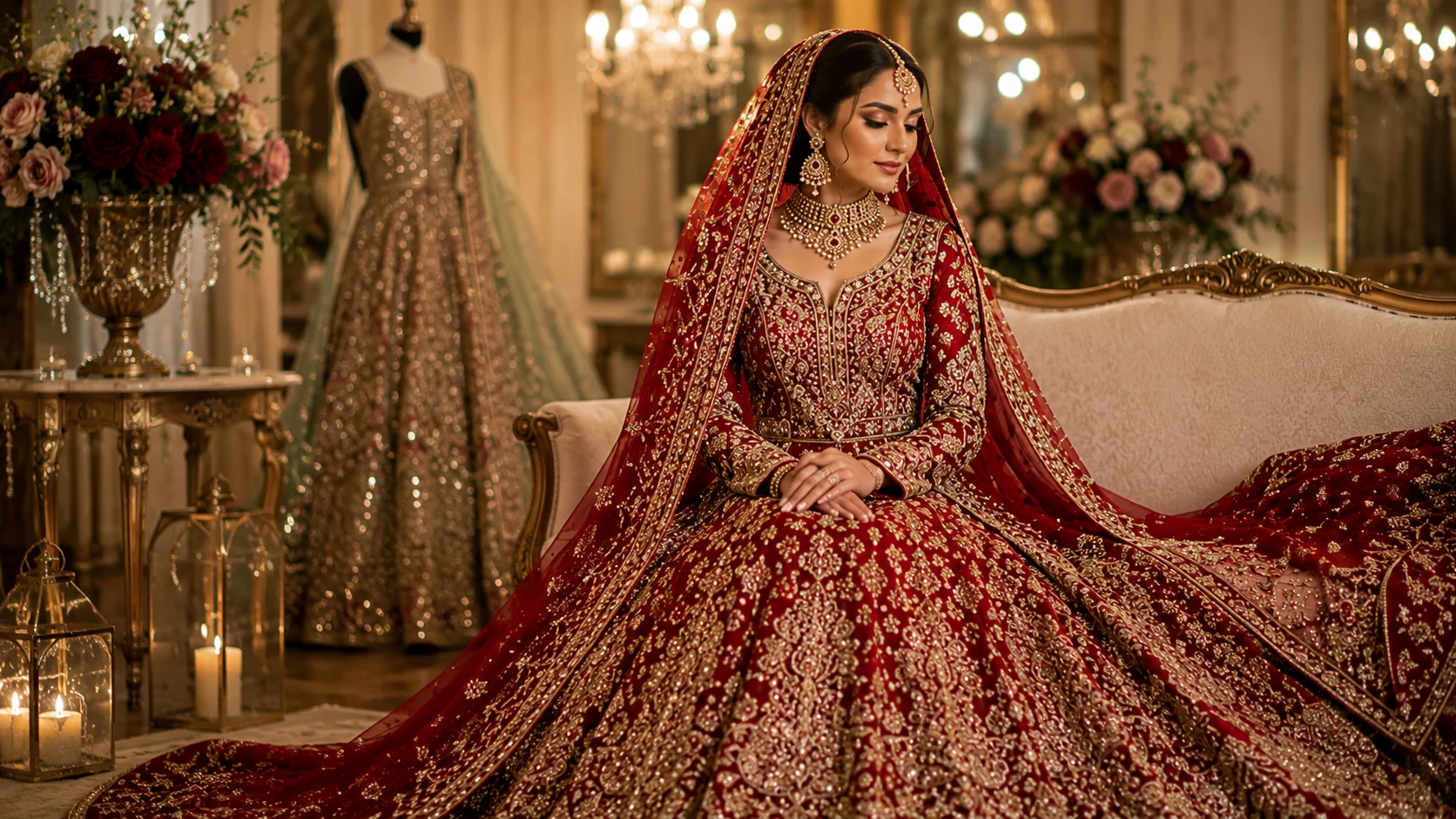
Classic Pakistani bridal gown dresses combine Mughal-inspired artistry with timeless silhouettes for weddings that transcend passing trends. Jabeenz in Manchester, manufacturing bespoke bridal couture since 1975, creates classic gowns featuring hand-worked zardozi, dabka, and resham embroidery on premium fabrics like velvet, raw silk, and organza for brides who want enduring elegance.
The traditional Pakistani wedding experience transforms into a spectacular royal spectacle. It is filled with cultural elements and traditional customs that have stood the test of centuries. The main focus of these ceremonies stands as a bride who wears classic Pakistani bridal gowns which expresses both her cultural legacy and graceful sophistication and enduring beauty.
Forever unaffected by time are traditional Pakistani bridal gowns because of their eternal charm. The combination of traditional artisan workmanship and royal dressing shapes. These wedding outfits as the best stylistic option for timeless bridal fashion.
The Essence of a Classic Bridal Gown
Classic Pakistani bridal gowns stand out through their well-made materials that combine delicate handwork with their flowing structure. Classic Pakistani bridal gowns contain abundant luxury through extensive embellishments and prominent dramatic elements. Also contain vibrant colour schemes even though modern minimalism exists.
The design motif of classic gowns derives from Mughal-period aesthetics alongside conventional South Asian decorative traditions. The classic Pakistani bridal dress showcases zardoz, dabka, tilla and resham embroidery which demonstrates traditional artistry from several generations. The traditional draping style of a dupatta with these gowns turns a bride into an elegant presence.
Popular Styles and Silhouettes
The following classic bridal gown styles remain consistently popular because they never fade in popularity:
1. The Flared Anarkali Gown
The Anarkali-style gown, which draws inspiration from Mughal court details. Shows its grandeur through dramatic flair paired with a sweeping hemline. Such dresses fit the upper torso tightly yet make a romantic flow from below the waist onto the ground to enhance every figure and create an imperial effect. Traditional Indian brides prefer deep red colours along with maroon and gold tones. They enhance with opulent zari and mirror work elements to achieve an authentic royal look.
2. The Long Maxi Gown
The full-length maxi gown brings together an elegant appearance with its sophisticated style. These elegant gowns receive their charm from decorative hand stitching across the entire fabric which is combined with a gentle flowing outline. Day events usually feature pink and peach accents together with ivory tones. But evening weddings tend to employ jewel-toned options such as blue sapphire and emerald green.
3. Peshwas Gown with Lehenga
The Peshwas lehenga blend creates a fusion between the peshwas’ structured top section and the lehenga’s voluminous position. While remaining faithful to original design principles. The bodice and hemline get most of their embellishments as well as a dramatic impact from the contrasting dupatta. The combination suits brides searching for regal elegance in two expressions.
Timeless Colour Palette
The traditional bridal gown colour selection follows ancient traditions, while contemporary bridal designs test with modern light colours and Western schemes. Traditional cultural meanings join together with celebratory values in crimson red as well as deep burgundy and royal gold and rust orange colours. Time has preserved these colours, which shine with extraordinary elegance when combined with antique gold or silver thread work.
Fabrics that Define Elegance
The classic Pakistani bridal gown relies on materials which include velvet alongside raw silk and jamawar fold tissue and chiffon fabrics. This fabric collection provides both decadent texture along with elegant holding ability for embellishments. The rich texture of velvet stands as the top fabric choice among winter brides because of its bold appearance. The weight of fabric influences its suitability , chiffon and organza flow well while providing ideal summer wedding elegance.
Why Go Classic?
When you select a traditional bridal gown, your wedding appearance will withstand the test of time in all wedding photographs and videos as well as family memories reaching future generations. The adoption of traditional attire strengthens your cultural heritage and modern fashion trends. It allows you to embody heritage through artistic expression. Traditional wedding gowns are traditionally made to hold sentimental meaning as they are exchanged between mothers and their daughters whenever passed from one generation to the next.
With over 50 years of manufacturing heritage, Jabeenz has perfected the balance between traditional Pakistani bridal artistry and designs that stand the test of time.
Final Thoughts
Traditional Pakistani bridal attire stands as more than decorative items because they function as representations of ancestral heritage alongside elegant beauty and cultural traditions. Elegance persists through time because fleeting trends eventually disappear.
Related Reading
- Best Pakistani Bridal Gowns for a Grand Wedding
- The Art of Elegance: Pakistani Wedding Dresses with Intricate Embroidery
- How to Find the Perfect Pakistani Bridal Outfit for Every Body Type
Visit Jabeenz in Manchester , Our boutique at 934 Stockport Road, Levenshulme, Manchester M19 3AB is open daily from 11am to 7pm. Book a free bridal consultation or browse our collections online. Call us on 07361 805655 or WhatsApp us for personalised styling advice.
What Makes a Bridal Gown Truly Timeless?
In an industry that moves with seasonal trends, the concept of a “timeless” bridal gown deserves careful consideration. A timeless gown is one that will look as elegant in your wedding photographs twenty years from now as it does on the day itself. This does not mean boring or plain. It means choosing design elements that transcend passing fashions. Clean silhouettes, balanced proportions, and quality craftsmanship are the markers of a timeless piece. An exaggerated trend, like an extremely oversized sleeve or an extreme colour choice, may feel fresh today but can date a photograph quickly.
The hallmark of timeless Pakistani bridal wear is the balance between tradition and restraint. Zardosi and dabka embroidery have been used for centuries and will continue to be admired because they represent genuine artistry. A well-proportioned A-line silhouette or a classic lehenga shape has remained desirable across generations. When in doubt, ask yourself whether your grandmother would recognise the elegance in the outfit and whether your daughter would want to borrow elements from it. If both answers are yes, you have found something timeless.
Can Bridal Wear Be an Investment Piece?
A well-made bridal outfit is absolutely an investment, and treating it as one changes how you approach the purchase. Investment pieces are characterised by exceptional materials, skilled construction, and designs that retain their appeal over time. When you choose high-quality fabrics like pure silk, fine organza, or premium velvet, and pair them with hand-executed embroidery rather than machine work, you create a garment that maintains its beauty through decades of careful storage. Many brides at Jabeenz have shared stories of their mothers and grandmothers passing down bridal outfits, and these cherished pieces were always the ones made with quality materials and classic design sensibility.
Consider the per-wear value of your bridal outfit. While it may seem like a single-occasion purchase, elements of a well-chosen bridal outfit can be repurposed. A beautifully embroidered dupatta can be worn to future family weddings. A classic choli design can be paired with different skirts for formal events. Investing in quality upfront extends the useful life of your bridal wardrobe far beyond the wedding day itself.
Classic Colour Choices That Never Date
Colour trends come and go, but certain palettes have stood the test of time in Pakistani bridal wear. Deep red remains the most enduring choice, symbolising love, prosperity, and celebration. It flatters a wide range of skin tones and looks magnificent under both natural and artificial lighting. Within the red family, there is enormous variety. Crimson, maroon, burgundy, scarlet, and vermillion each create a different mood while remaining firmly within the classic bridal palette.
Gold and champagne are timeless alternatives for brides who want something different without straying too far from tradition. These warm metallic tones carry a regal quality that photographs beautifully and pairs effortlessly with traditional gold jewellery. Deep emerald green, historically associated with Islamic celebration, is another classic that has never fallen out of favour. It is particularly stunning for winter weddings and looks equally appropriate at nikkah and baraat events.
If you are drawn to pastels or unconventional colours, you can still achieve a timeless look by keeping the overall design classic and letting the colour be your modern statement. A traditional silhouette in blush pink or powder blue reads as fresh yet elegant rather than trendy. The key is avoiding colours that are popular solely because of a momentary trend. If a colour has been used in bridal wear for at least a decade, it is likely to remain appealing for decades more. At Jabeenz, our colour consultations help brides find shades that suit their skin tone, their venue lighting, and their personal taste while ensuring the choice will age gracefully in photographs.
Frequently Asked Questions About Classic Bridal Gowns
What makes a Pakistani bridal gown truly timeless?
A timeless bridal gown features clean silhouettes, balanced proportions, quality craftsmanship, and traditional embroidery techniques like zardozi and dabka that have been admired for centuries. The design should look elegant in photographs decades from now. Explore our bridal collection for examples of enduring design.
Can a classic bridal gown be passed down as an heirloom?
Yes, when crafted with premium fabrics and hand embroidery, a bridal gown becomes a genuine heirloom piece. Pure silk, quality velvet, and hand-executed zardozi maintain their beauty through decades of careful storage. Our bespoke service uses materials chosen specifically for longevity.
Which classic bridal gown silhouette suits most body types?
The A-line silhouette flatters the widest range of body types because it fits through the bodice and flares gently from the waist. It creates an elegant, balanced proportion without clinging or adding excessive volume. Book a consultation at Jabeenz Manchester for personalised silhouette guidance.
Ready to Find Your Dream Outfit?
Book a free consultation at our Manchester boutique or browse our latest collections online.
You Might Also Like
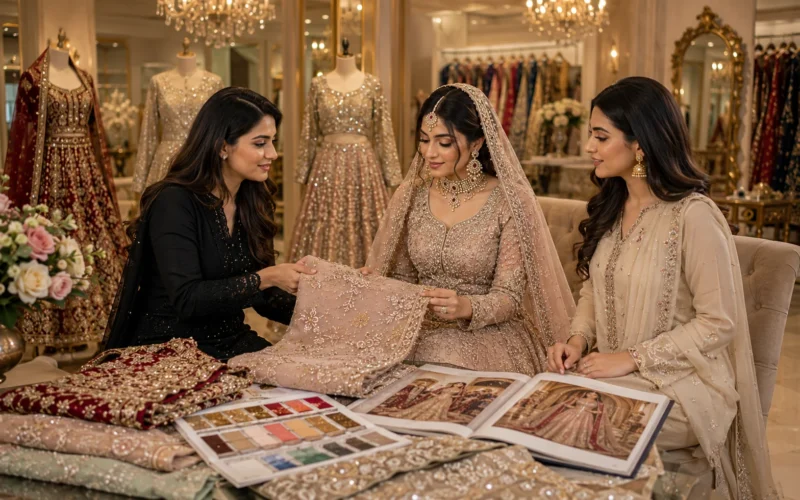
Top Pakistani Wedding Designers for Custom Bridal Wear in the UK
Discover the top Pakistani wedding designers for custom bridal wear in the UK. Jabeenz Manchester offers bespoke bridal couture with 50 years...
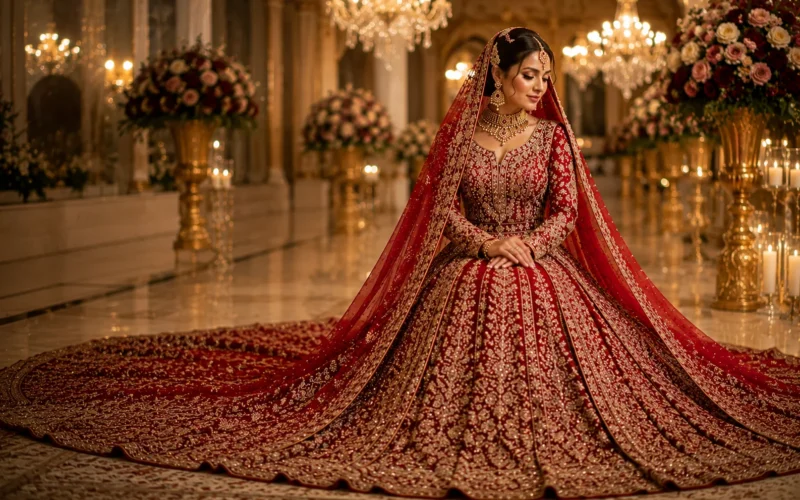
Best Pakistani Bridal Gowns for a Grand Wedding
Discover the best Pakistani bridal gowns for a grand wedding with dramatic trains, rich embellishments, and statement silhouettes. Jabeenz Manchester manufactures show-stopping...
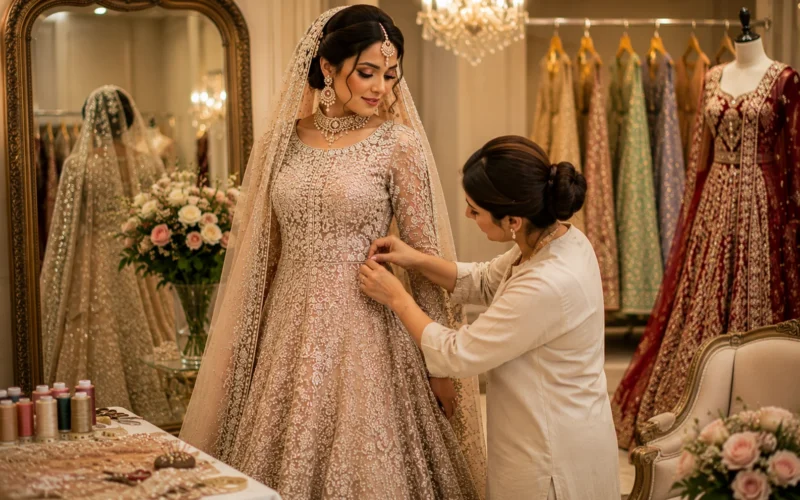
Bridal Dress Alterations: Achieving Tailoring Perfection
Expert guide to bridal dress alterations for a perfect fit on your wedding day. Jabeenz Manchester offers specialist tailoring with 50 years...
