
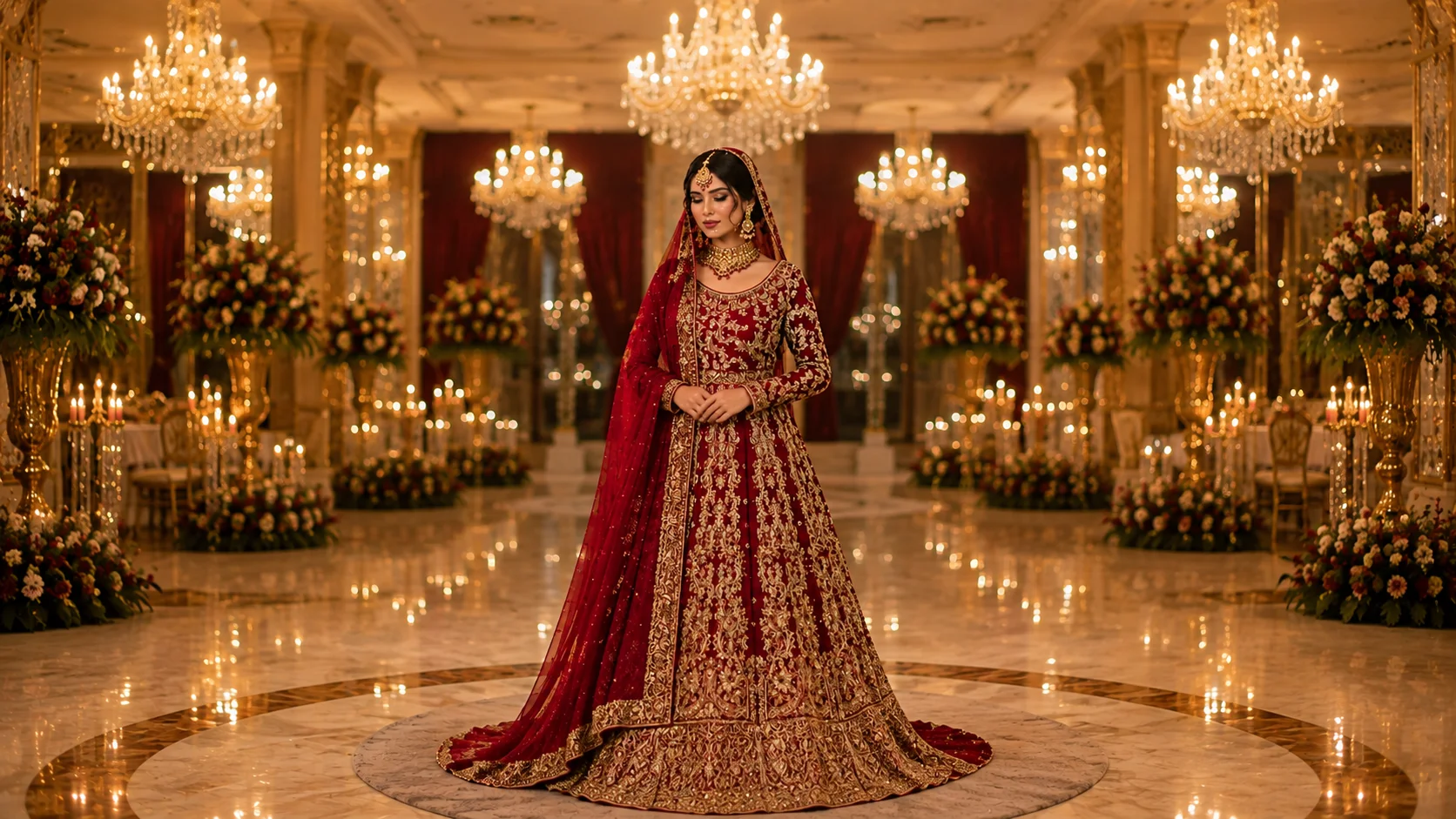
Choosing your Bridal lehenga is one of the most significant decisions you will make in the lead-up to your wedding. This is the garment that will define your bridal look, appear in hundreds of photographs. u{0}become a cherished memory for decades to come. At Jabeenz in Manchester. We have been guiding brides through this process since 1975, handcrafting bespoke bridal lehengas that are as individual as the women who wear them. This guide will walk you through everything you need to know to choose the perfect one. According to the British Bridal Suppliers Association, handmade bridal wear remains the gold standard for quality and fit.
Understanding Bridal Lehenga Styles
The bridal lehenga comes in several distinct styles, each creating a different visual impact. The traditional circular lehenga, with its generous flare and sweeping hemline, remains the most popular choice for baraat ceremonies. Its dramatic volume commands attention and creates stunning photographs, especially when the bride walks or turns. The fullness of the skirt also provides an expansive canvas for elaborate embroidery and decoration.
For brides who prefer a sleeker silhouette, the A-line bridal lehenga offers elegance without excess volume. This style is especially flattering for petite brides, as the gradual flare creates the illusion of height. It is also a more practical choice for intimate weddings and smaller venues where a massive flare might feel out of proportion.
The fishtail or mermaid bridal lehenga has emerged as a bold choice for modern brides. Fitted through the bodice, waist and hips before flaring at the knee, this style is undeniably glamorous and makes a powerful fashion statement. It is most popular for walima and reception events, where the atmosphere is celebratory and the bride wants to showcase a contemporary look. Explore these styles in our Bridal lehenga collection.
Fabrics That Make the Difference
The fabric of your bridal lehenga affects everything from how the embroidery sits to how comfortable you feel throughout your event. Raw silk is the most traditional choice. We offer a rich lustre and substantial weight that holds embroidery beautifully. It drapes with structure rather than fluidity. This creates a defined, regal silhouette that photographs magnificently under both natural and artificial light.
Velvet bridal lehengas are a magnificent choice for winter weddings. The depth of colour achievable with velvet is unmatched. u{0}the fabric’s inherent richness means that even minimal embroidery creates a luxurious impact. Deep maroon, forest green and midnight blue velvet lehengas are especially striking and bring a sense of old-world glamour to modern celebrations.
For summer and destination weddings, lighter fabrics such as organza, tissue and georgette offer the beauty of a bridal lehenga without the weight. These fabrics catch the breeze beautifully and feel comfortable in warm conditions. Organza. In particular, has become a favourite for contemporary brides, as its slight stiffness holds the lehenga shape while its translucency allows for beautiful layering effects.
Net and tulle are often used as overlay fabrics. This creates depth and dimension when layered over a solid base fabric. A net lehenga with embroidered motifs over a contrasting lining creates a three-dimensional effect that is truly eye-catching. This construction technique is one of the hallmarks of fine bridal craftsmanship.
Choosing Your Colour Palette
Red remains the most traditional and popular colour for a bridal lehenga in South Asian culture. It symbolises love, prosperity and new beginnings, and its vibrancy photographs beautifully in any setting. However, red covers a wide spectrum: from bright cherry red and classic vermillion to deep crimson, burgundy and maroon. Each shade creates a different mood, and finding the right red for your skin tone is worth taking time over.
Modern brides are increasingly exploring beyond red. Dusty pinks and blush tones have surged in popularity. We offer a softer, more romantic look. These lighter shades work especially well for daytime ceremonies and outdoor settings. Gold and champagne lehengas exude warmth and style, while deep plum and wine tones offer the richness of red with a more contemporary edge.
Two-tone and ombre bridal lehengas are another exciting option. A lehenga that transitions from deep red at the hem to lighter pink at the waist creates a gradient effect that is both modern and deeply beautiful. Similarly. Contrasting the lehenga and choli colours, such as a red lehenga with a gold blouse, adds visual interest and allows for more versatile jewellery pairing.
Fitting Tips for the Perfect Silhouette
A bridal lehenga must fit impeccably. Unlike everyday clothing, where minor fit issues go unnoticed, a bridal lehenga is scrutinised from every angle, both in person and in photographs. The waistband should sit comfortably at your natural waist without digging in or sliding down. Because you will be sitting, standing, walking and possibly dancing, the fit needs to accommodate movement.
The choli fit is equally critical. It should feel secure without restricting breathing or arm movement. Pay attention to the armhole depth and sleeve ease: you will be raising your arms for photographs. It takes on guests and potentially performing rituals that require arm mobility. A choli that looks perfect when standing but pulls when the arms are raised is not properly fitted.
The hemline of the lehenga deserves careful consideration. It should be long enough to create an elegant sweep but not so long that it becomes a tripping hazard. Account for your wedding shoes when determining the length. And consider having a small loop or hook sewn into the hem so you can lift the lehenga for walking up stairs or across uneven ground. Our Bespoke bridal service ensures every measurement is precise.
Budget Considerations
Bridal lehenga costs vary enormously based on fabric quality, embroidery density and construction complexity. Understanding what drives cost helps brides make informed decisions about where to invest and where to economise. The embroidery is typically the most expensive component: hand-embroidered zardozi and dabka work using real gold or silver thread costs much more than machine embroidery or sequin-based designs.
One effective strategy is to concentrate heavy embroidery on the areas that will be most visible in photographs. Such as the front panel of the lehenga, the choli front and the dupatta borders. The back of the lehenga and the inner panels can feature lighter work, reducing cost without compromising the visual impact.
At Jabeenz, we work with brides across a range of budgets. Our consultations begin with understanding your vision and budget. And our design team then advises on fabric, embroidery and construction choices that deliver maximum impact within your parameters. Because we design and oversee production ourselves rather than reselling, we can offer exceptional value without compromising on quality or craftsmanship. Browse our Bridal lehenga range for inspiration.
Frequently Asked Questions
How many fittings will I need for a bespoke bridal lehenga?
At Jabeenz, we typically schedule two to three fittings for a bridal lehenga. The first is taken with initial measurements and design confirmation. The second is a mid-stage fitting where the garment is partially assembled. This lets us to check the silhouette, length and fit. The final fitting ensures everything is perfect, including the fall of the dupatta and the placement of any hooks or closures.
Should I choose my bridal lehenga before my jewellery?
Yes, ideally the lehenga should come first. Your jewellery should complement the neckline, colour and embroidery style of your lehenga. A heavily embroidered choli neckline may need only simple earrings, while a plainer bodice can support a statement necklace. Bringing your jewellery to your final fitting allows you to see the complete look together.
Can I wear a bridal lehenga if I am petite?
Absolutely. Petite brides look stunning in A-line lehengas with vertical embroidery patterns that create the illusion of height. Avoid excessively wide flares that can overwhelm a smaller frame. A slightly raised waistband and well-proportioned choli length also help to elongate the silhouette. At Jabeenz, we tailor every element to your proportions.
What happens to my bridal lehenga after the wedding?
Many of our clients preserve their bridal lehenga as a family heirloom. We recommend professional dry cleaning within two weeks of the event. Followed by storage in a muslin or cotton garment bag in a cool, dry environment. Avoid plastic bags, as they can trap moisture. Some brides later have elements of their lehenga incorporated into outfits for their children. This creates a beautiful family tradition.
Your bridal lehenga is the most important outfit you will ever wear. It deserves to be handcrafted with the skill, care and artistry that only decades of experience can provide. At Jabeenz in Manchester, we have been creating bespoke bridal lehengas since 1975. u{0}we would be honoured to help you find yours. Book a bridal consultation to begin your journey.
Ready to Find Your Dream Outfit?
Book a free consultation at our Manchester boutique or browse our latest collections online.
You Might Also Like
Where to Buy Pakistani Bridal Dresses Online in the UK
Searching for where to buy Pakistani bridal dresses online in the UK can feel overwhelming. Dozens of websites, Instagram boutiques. Marketplace sellers...
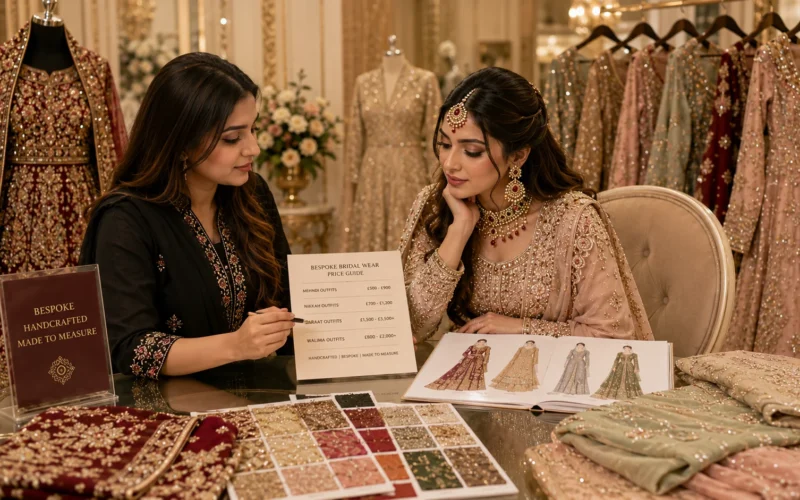
How Much Do Pakistani Bridal Dresses Cost in the UK?
One of the most common questions we hear at Jabeenz is: how much do Pakistani bridal dresses cost in the UK? It...
Baraat Dresses: What the Bride Wears
Key Takeaways The baraat is the most dramatic and eagerly anticipated moment of a Pakistani wedding. It is the groom's procession, arriving...
