
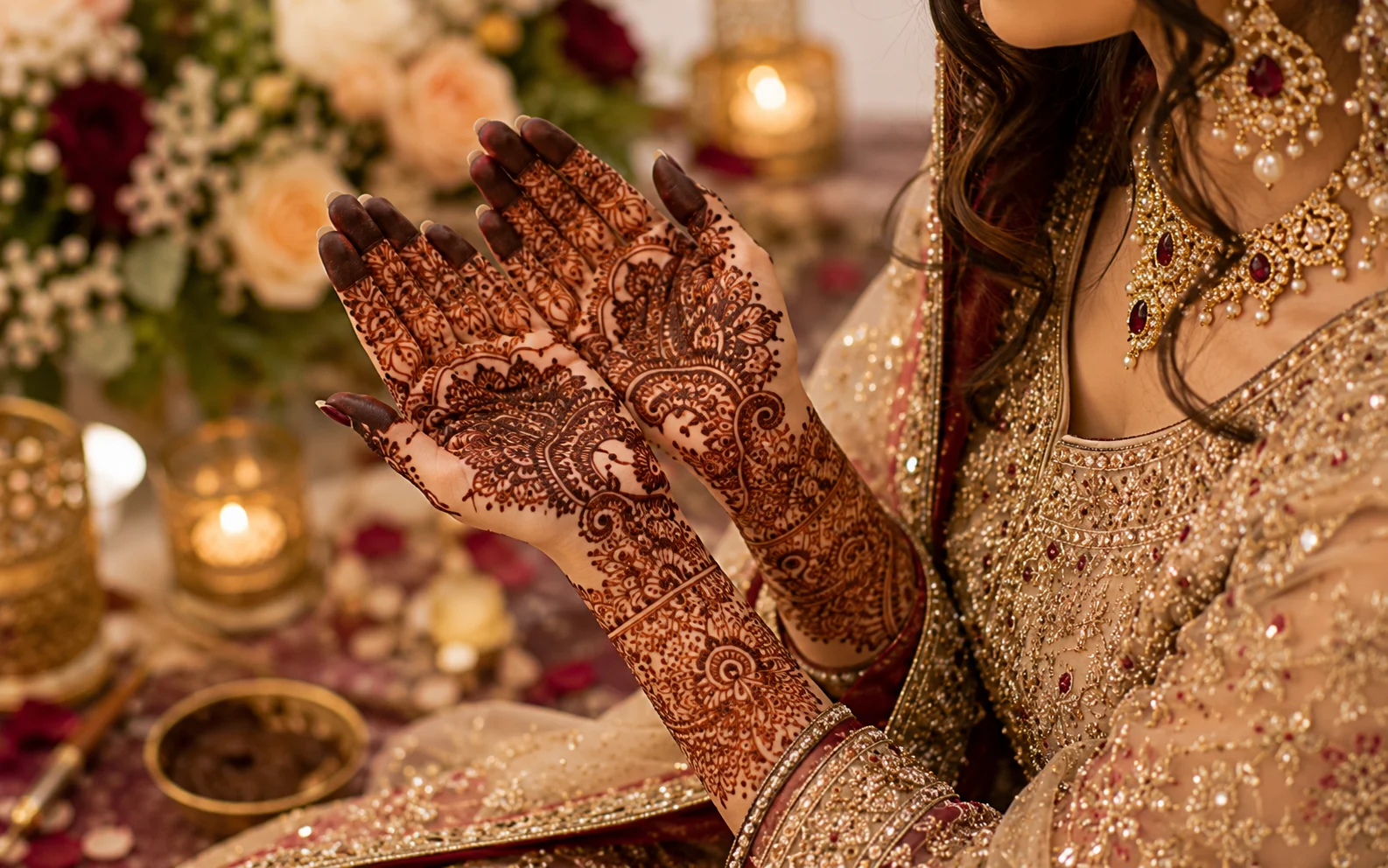
Bridal mehndi designs range from traditional paisleys and florals to contemporary geometric patterns, each carrying deep cultural significance. Jabeenz, Manchester’s heritage bridal boutique established in 1975, understands how the right mehndi design complements your wedding outfit. Explore trending patterns, placement ideas, and expert tips to achieve mehndi perfection for your special day.
Trending Bridal Mehndi Designs are on top as wedding season arrives, brides are busy planning for their big day, and one of the most important things is the application of mehndi. Pakistani brides have applied Mehndi, or henna, to their palms, feet, and back for beauty and celebrations for years.
Today in this blog, we will look at some of the most popular wedding mehndi designs.
With over 50 years of expertise in bridal fashion, Jabeenz in Manchester understands how every detail of your wedding look, from mehndi patterns to outfit embellishments, works together to create a stunning bridal ensemble.
Importance of Bridal Mehndi Designs
Mehndi have a great cultural importance in Pakistani weddings. It is more than just a beauty; it is a part of the mayun and mehndi ceremony and shows love, happiness and the start of a new life. In Pakistani weddings, the bridal mehndi is the most important part of the bride’s beauty.
Trending Bridal Mehndi Designs
1.Floral designs
One of the best trends in bridal mehndi is the use of floral patterns. These designs are perfect for any bride looking to add cultural beauty to her look. The floral patterns show beauty, growth, and new beginnings. These patterns can be applied not only on the hands but also on the feet, arms and legs.
2.Arabic designs
Arabic mehndi with bridal lehengas; this design is perfect for brides wearing lehengas with heavy embellishments like crystals, sequins, or gold resham. Arabic mehndi, as introduced previously, freshens the overall bridal mehndi look.
3.Rajasthani designs
Rajasthani mehndi designs are thick. These designs include peacocks, elephants and other elements that represent culture. Rajasthani mehndi designs suit the bride beautifully in a Pakistani bridal dress that is fully embroidered. This type of mehendi suits the colours of the bridal dresses, like red, maroon, and gold. Brides who want a cultural appearance will find these designs very suitable.
4.Simple designs
For the bride who wants a modern look, simple bridal mehndi designs are gaining importance. The things that need to be focused on are the geometric patterns and giving it a fresh look. The simple mehndi style suits well with the idea of Pakistani wedding dresses that have small embroidery on the dress and are in dull colours.
Conclusion
When planning your wedding things, it is important to focus on personal choices as well as the theme of the wedding. For brides who want a cultural look on their wedding, heavy designs with thick lines are suitable, whereas those who want a simple modern look can go for the lighter designs and fine lines. Always select the design that suits well with your personality.
Visit Jabeenz in Manchester , Our boutique at 934 Stockport Road, Levenshulme, Manchester M19 3AB is open daily from 11am to 7pm. Book a free bridal consultation or browse our collections online. Call us on 07361 805655 or WhatsApp us for personalised styling advice.
Where Should a Bride Apply Mehndi Beyond Hands and Feet?
While hands and feet remain the traditional focal points for bridal mehndi, more brides are exploring placement on their wrists, forearms, and even the backs of their shoulders. Wrist mehndi that extends like a bracelet looks incredible in close up ring shots and can complement your choori or bangles beautifully. Some brides also request mehndi on the upper back if they are wearing a blouse with a low cut back or a choli style top. Just keep in mind that areas with less warmth, such as the upper arms, tend to stain lighter than the palms. If you want even colour across all placements, ask your mehndi artist to use a stronger henna paste mix for the cooler skin areas and leave the paste on for at least eight hours overnight.
What Does the Colour of Your Mehndi Actually Mean?
There is a popular belief that darker mehndi means your partner loves you more deeply, and while that is a lovely tradition, the science behind mehndi colour is actually about body chemistry and aftercare. The palms naturally produce a deeper stain because the skin is thicker and warmer. To get the richest possible colour, apply a mixture of lemon juice and sugar over the dried paste to seal it, then wrap your hands in cling film or cotton gloves overnight. Avoid water for the first twelve hours after removing the paste. In the days before your wedding, keep your hands warm, as cold hands lead to a lighter stain. Many brides in Manchester find that the British weather works against them here, so keeping gloves handy during winter weddings is genuinely practical advice, not just a fashion choice.
Mehndi Aftercare Tips for the Best Possible Stain
Your mehndi aftercare routine starts the moment the paste is applied, not after it flakes off. Resist the temptation to pick at drying paste, as uneven removal leads to patchy colour. Once the paste has fully dried and you have left it on for a minimum of six to eight hours, scrape it off gently with a butter knife or the edge of a spoon rather than washing it off with water. Apply a thin layer of coconut oil or Vaseline to the design, which helps lock in moisture and deepens the stain over the next 48 hours. Avoid using soap, hand sanitiser, or chlorinated water on your mehndi for as long as possible before the wedding day.
How Far in Advance Should You Get Your Bridal Mehndi Done?
Timing is everything. Most mehndi artists recommend getting your bridal application done one to two days before the main wedding event. This gives the stain time to oxidise and darken to that beautiful deep burgundy. If you apply mehndi three or more days early, you risk the design starting to fade before the wedding, especially on your fingertips where skin sheds faster. For brides juggling multiple events, a mehndi night, nikah, walima, and reception, plan your application for the evening before the mehndi event itself. The colour will peak just in time for your main ceremony day. Brides visiting Jabeenz for their final outfit fitting often ask us for trusted mehndi artist recommendations in the Manchester area, and we are always happy to share our network of vetted professionals who understand Pakistani bridal traditions.
Frequently Asked Questions
What mehndi designs complement a bridal lehenga?
Intricate paisley and floral patterns complement heavily embellished lehengas, while geometric designs pair well with modern silhouettes. Your mehndi should harmonise with your outfit’s overall aesthetic. Browse Jabeenz mehndi collection for outfits that coordinate beautifully with traditional henna artwork.
How long before the wedding should I get my mehndi done?
Apply bridal mehndi one to two days before the wedding for the deepest colour payoff. The mehndi ceremony itself is a joyous pre-wedding event. Pair your mehndi night outfit with something from our Pakistani mehndi dresses collection for an unforgettable celebration look.
What are the most popular bridal mehndi patterns in 2026?
Trending designs include minimalist finger-tip patterns, Arabic trail designs, and fusion styles mixing Mughal motifs with modern negative spacing. These complement both traditional and contemporary bridal outfits. Book a consultation at Jabeenz to coordinate your mehndi look with your complete bridal ensemble.
Related Reading
Ready to Find Your Dream Outfit?
Book a free consultation at our Manchester boutique or browse our latest collections online.
You Might Also Like
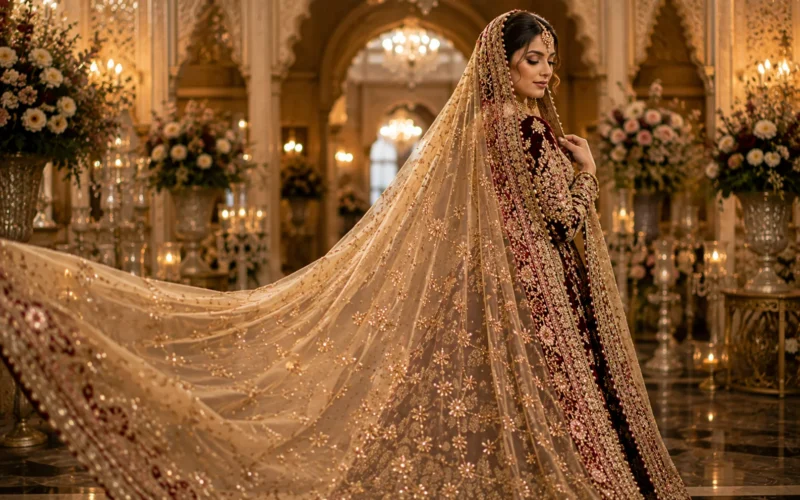
Statement Dupattas Veils: How Big-Drama Drapes are Bringing Royalty to Bridal Looks
Statement dupattas and bridal veils bring drama and royalty to any wedding look. Explore hand-embroidered options from Jabeenz Manchester, crafted with fifty...
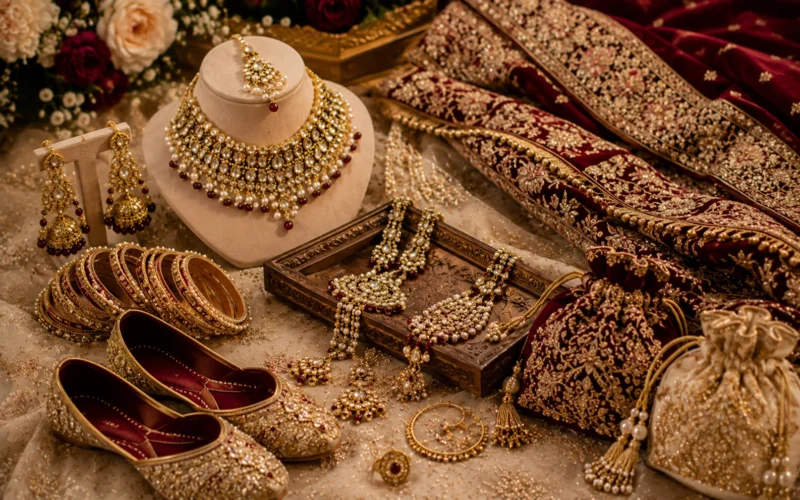
Bridal Accessories that Elevate the Look: Jewellery, Khussas, Matha Patti, Shahs etc.
Trending bridal jewellery styles for winter weddings pair warm gold tones and kundan sets with heavy fabrics. Jabeenz Manchester offers expert styling...
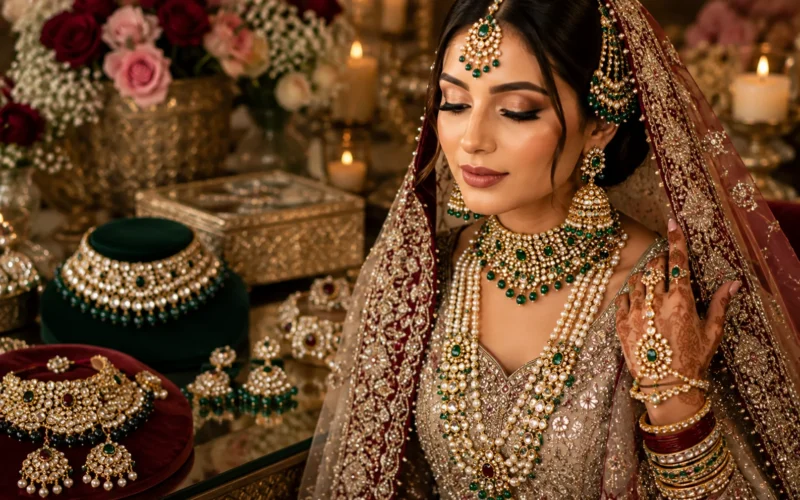
Trending Bridal Jewellery Styles for Winter Weddings 2025
Trending bridal jewellery styles for winter weddings 2025, from kundan sets to emerald chokers. Jabeenz Manchester coordinates garments with the latest jewellery...
