
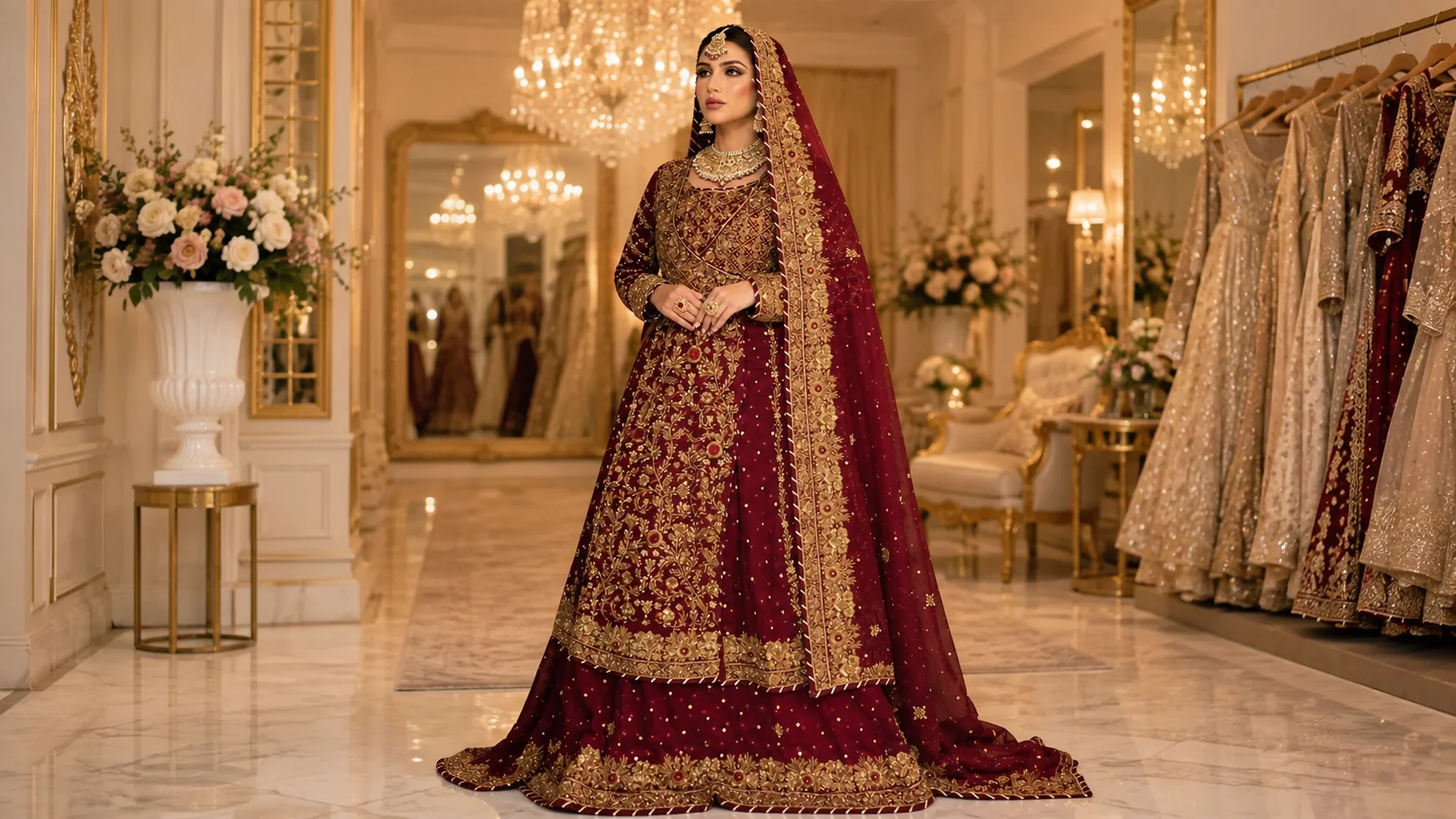
Choosing an Islamic wedding dress is one of the most meaningful decisions a bride will make. The gown must honour religious values of modesty while reflecting the bride’s personal style and the joy of the occasion. At Jabeenz in Manchester, we have been handcrafting bespoke bridal wear since 1975 and we understand that modest does not mean understated. An Islamic wedding dress can be every bit as breathtaking, luxurious and memorable as any bridal gown in the world. According to the British Bridal Suppliers Association, handmade bridal wear remains the gold standard for quality and fit.
This complete guide covers everything you need to know about Islamic wedding dresses. From silhouette options and fabric choices to hijab-friendly designs and the latest trends in modest bridal fashion.
What Makes a Dress “Islamic” in a Bridal Context
An Islamic wedding dress is defined by its commitment to modesty. In practical terms, this means full-length sleeves, a high neckline, and a skirt that falls to the floor. The fabric should not be sheer or body-hugging. This ensures the bride is covered while still looking and feeling beautiful. Beyond these core requirements, there is enormous creative freedom.
Many brides choose to wear a hijab with their wedding dress, and this opens up a world of design possibilities. A cathedral-length veil attached to a beautifully decorated hijab cap, for example, creates a look that is both traditional and contemporary. Other brides prefer a separate dupatta or shawl that can be draped over the head during the ceremony and removed for photographs afterwards.
The key principle is that the dress should make the bride feel confident and beautiful while respecting the values that matter to her. There is no single “correct” Islamic wedding dress, only the right dress for each individual bride. Explore our Modest and hijab-friendly bridal collection to see how we approach this balance at Jabeenz.
Popular Silhouettes for Modest Brides
A-line gowns are the most widely flattering silhouette for modest bridal wear. They skim the waist and flow gently outward. This creates an elegant shape without clinging to the body. An A-line dress with long sleeves and a high neckline is a timeless choice that works for mosque ceremonies, banquet halls and outdoor celebrations alike.
Ball gown silhouettes are perfect for brides who want drama and presence. A full skirt with layers of tulle or organza creates a fairy-tale effect, while a fitted bodice with intricate hand embroidery adds structure and detail. This silhouette naturally provides coverage and movement. This makes it a favourite among hijab-wearing brides.
Sheath and column dresses offer a more modern, streamlined look. When crafted from structured fabrics like duchess satin or mikado silk, these dresses provide full coverage without relying on volume. They are especially striking when paired with a long, embroidered train that cascades from the shoulders or waist.
For brides who want something distinctly South Asian, a bridal lengha with a long-sleeved choli and heavy dupatta is a magnificent option. This traditional silhouette offers natural modesty and can be decorated with zardozi, dabka, sequins and crystals to create a truly show-stopping look.
Fabric Choices for Every Season
The right fabric can make or break a modest wedding dress. Because Islamic bridal gowns typically feature more coverage than conventional Western designs, choosing lightweight, breathable fabrics is essential, especially for summer weddings.
Chiffon and georgette are popular choices for their softness and drape. They flow beautifully and do not add bulk, even when layered. For a more structured look, duchess satin and raw silk hold their shape and create clean, architectural lines that photograph very well.
Winter brides can embrace richer fabrics such as velvet, brocade and jacquard. These heavier textiles add warmth and a sense of grandeur that suits the season. A velvet bridal gown with gold thread embroidery, for instance, creates a regal effect that is hard to achieve with lighter fabrics.
Lace is another excellent option, provided it is lined rather than sheer. French lace, Chantilly lace and guipure lace can be layered over an opaque base to create texture and visual interest without compromising coverage. At Jabeenz, we source our laces and fabrics from suppliers across Europe and Asia to ensure the highest quality for every bride.
Hijab Styling with Your Bridal Dress
Styling a hijab with a wedding dress requires careful planning to ensure harmony between the headcovering and the gown. The most popular approach is a draped hijab in a matching or complementary fabric. Secured with a beaded or crystal hijab cap that doubles as a tiara.
Some brides prefer a turban-style hijab wrapped with pleats and folds for a shaped effect. This works especially well with minimalist gowns, as the turban becomes the focal point of the look. Others choose a loosely draped chiffon hijab that flows down the back like a traditional veil. This creates a romantic, ethereal silhouette.
The hijab can also be adorned with decorations that echo the detailing on the dress. Hand-sewn pearls along the edge, crystal drops at the forehead and delicate lace trim can tie the entire bridal look together. Our in-house design team at Jabeenz works closely with hijab-wearing brides to ensure every element of the ensemble is cohesive and beautiful.
Colour Traditions and Modern Trends
While white remains the classic choice for many brides, Islamic wedding dress colour traditions vary widely across cultures. Pakistani brides often choose red for the baraat and pastel pink or ivory for the nikkah. Arab brides frequently wear white or gold, while Malaysian and Indonesian brides may choose jewel tones like emerald or sapphire.
In recent years, blush pink, champagne and soft gold have emerged as popular alternatives to pure white. These warm tones are flattering across all skin tones and add a subtle richness that photographs beautifully. Ombre effects, where the colour deepens from bodice to hem, are another contemporary trend that adds visual drama without sacrificing modesty.
At Jabeenz, we encourage brides to choose colours that make them feel radiant, regardless of tradition. Our bespoke service means every gown is made to order and you are never limited to what is available off the rack. Browse our full Bridal dress collection to see the range of colours and styles we offer.
Decoration Techniques for Modest Bridal Wear
Handcrafted decoration is what transforms a beautiful dress into an unforgettable one. At Jabeenz, we specialise in traditional embroidery techniques that have been refined over generations. Zardozi. This uses gold and silver metallic threads, creates raised, textured designs that catch the light magnificently. Dabka embroidery, worked with coiled wire, adds dimension and a subtle sparkle.
Crystal and pearl hand-beading is another signature technique. Each stone is individually placed to create patterns that flow naturally across the fabric. Following the lines of the design rather than sitting flat on the surface. This level of detail is only achievable through hand embroidery and it is one of the hallmarks of a Jabeenz bridal gown.
For brides who prefer a more understated approach. Tone-on-tone embroidery, where white thread is worked onto white fabric, creates a subtle texture that is elegant and refined. This technique is especially effective on structured fabrics like satin and mikado, where the embroidery catches the light at different angles throughout the day.
Frequently Asked Questions
Can I have a fitted Islamic wedding dress?
Yes, fitted silhouettes are possible within Islamic guidelines. The key is to use structured, opaque fabrics that define the waist without clinging to the body. A princess-seam bodice with a gentle flare at the hip, for example, creates a fitted look that is still modest. Many of our brides at Jabeenz choose tailored bodices with fuller skirts for the best of both worlds.
How do I choose between white and a traditional colour?
This is entirely a personal choice. If you are having a nikkah ceremony followed by a reception. You might choose a traditional white or ivory for the nikkah and a more colourful outfit for the reception. Discuss your preferences with your family and, most importantly, choose what makes you feel happiest on your wedding day.
How far in advance should I order my dress?
For a bespoke handcrafted gown, we recommend allowing at least four to six months. This gives time for design consultations, fabric selection, embroidery work and fittings. If you need a dress sooner, our ready-to-wear collection offers beautiful options that can be altered to fit within a shorter timeframe.
Do you make matching hijabs and dupattas?
Yes, at Jabeenz every bridal outfit can be accompanied by a matching or complementary hijab, dupatta or shawl. Our team ensures the fabric, colour and decoration of your headcovering coordinates perfectly with your dress. This creates a polished and cohesive bridal look.
Your Islamic wedding dress should be a reflection of who you are: your faith, your style and your joy. At Jabeenz in Manchester, we have spent over fifty years helping brides find that perfect balance of modesty and magnificence. If you are ready to start your bridal journey, Book a consultation with our design team and let us create something truly extraordinary for your special day.
Ready to Find Your Dream Outfit?
Book a free consultation at our Manchester boutique or browse our latest collections online.
You Might Also Like
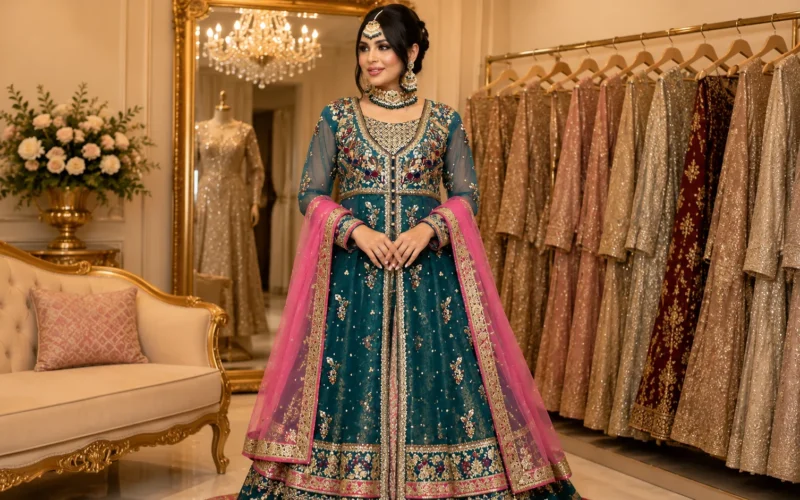
Plus Size Wedding Clothes UK: Inclusive Bridal Wear
Finding plus size wedding clothes in the UK that feel luxurious, flattering and genuinely beautiful should not be a struggle. Yet for...
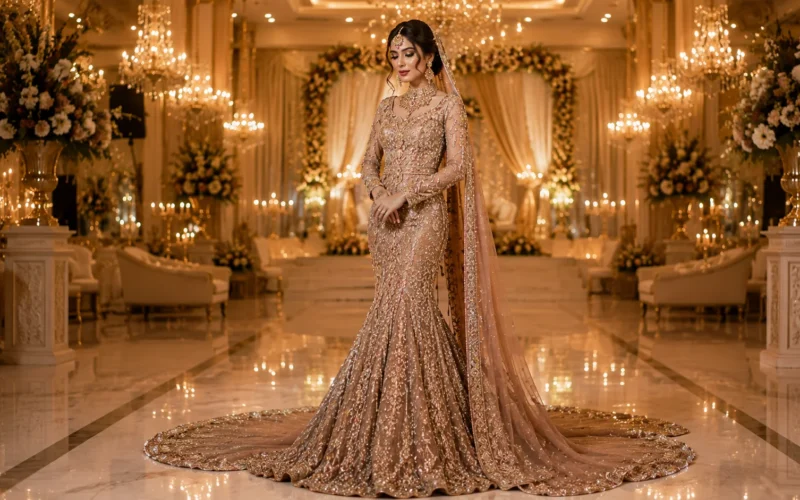
Fishtail Bridal Gowns: Pakistani Mermaid Dresses
The fishtail bridal gown has become one of the most sought-after silhouettes in Pakistani bridal fashion. Also known as the mermaid dress....
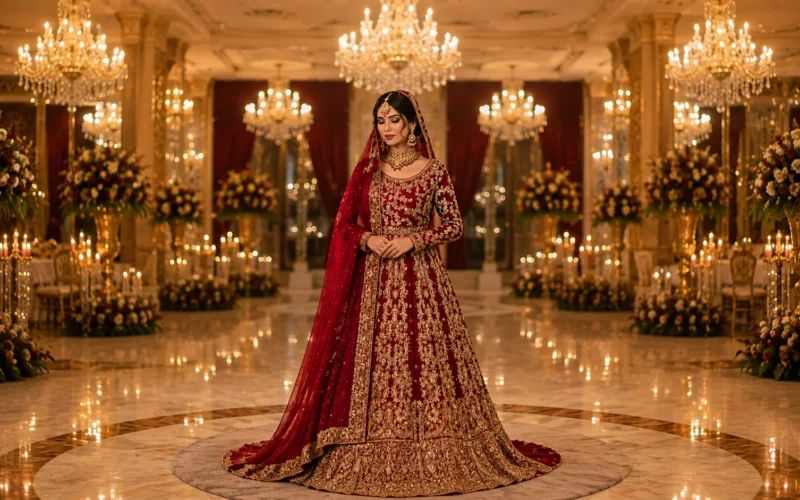
Bridal Lehenga: How to Choose the Perfect One
Choosing your Bridal lehenga is one of the most significant decisions you will make in the lead-up to your wedding. This is...
