
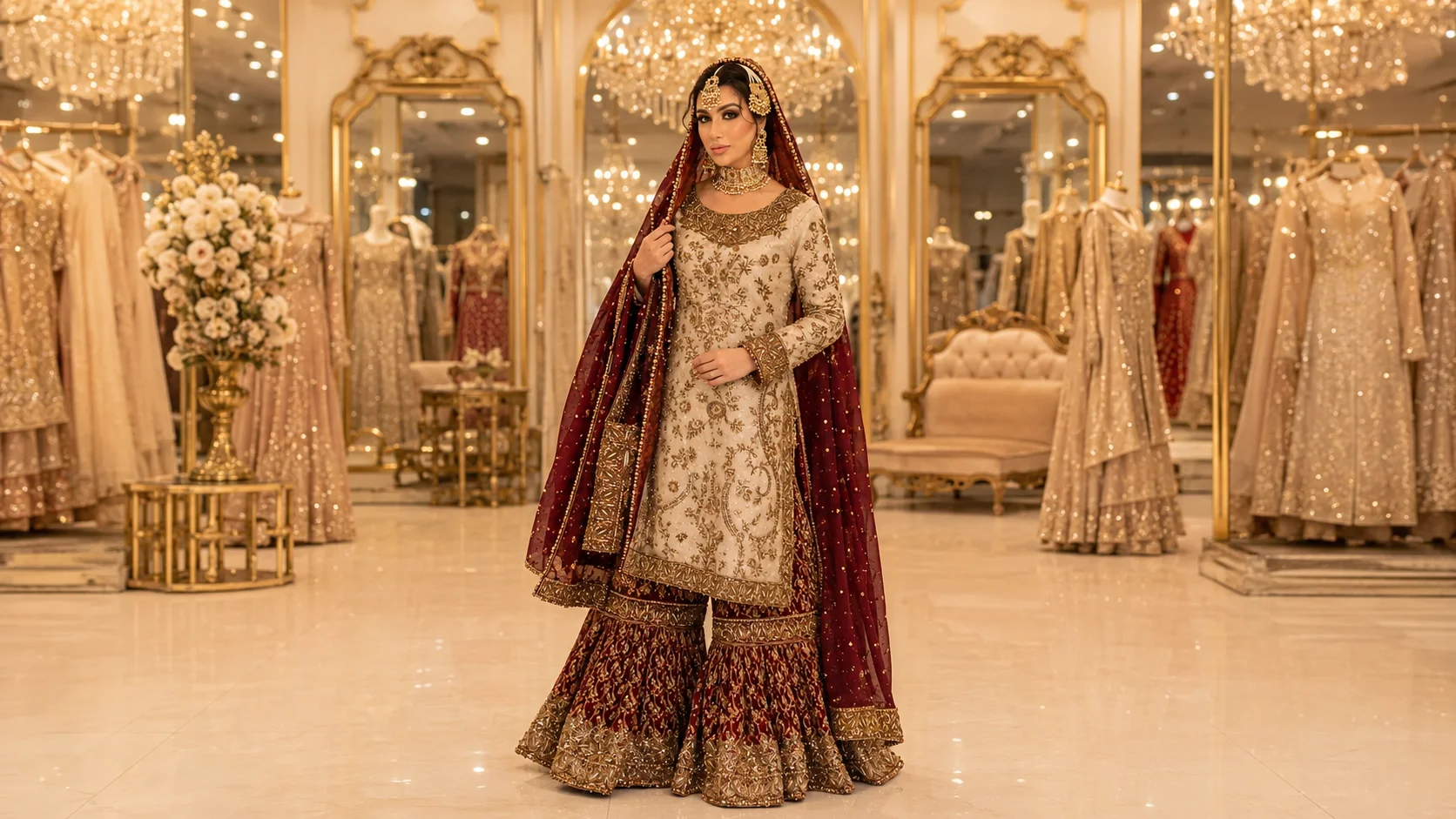
Choosing a Pakistani bridal dress is one of the most significant decisions in wedding planning. Unlike Western bridal fashion. There a single white gown covers the entire day. Pakistani brides need multiple outfits. Each tailored to a specific event. Each carrying its own expectations for colour. Stitching. Formality. This expert guide walks you through every factor to consider. From body type. Event requirements to fabrics, stitching, budgeting. U{0}timelines. According to the British Bridal Suppliers Association. Handmade bridal wear remains the gold standard for quality and fit.
Understanding What You Need: event by event
Before selecting any individual outfit. Step back and map out your complete wedding wardrobe. A classic Pakistani wedding includes at least three main events. Each demands a different bridal look.
Barat (The Grand event): This is your most important bridal outfit. The barat dress must be grand, grand, and lasting. Heavy stitching, rich fabrics, and a bold shape are expected. This is where most of your bridal budget should be allocated. As the barat outfit is the one that will be photographed most extensively. Remembered most vividly.
Walima (The Reception): The walima calls for graceful refinement rather than heavy grandeur. Lighter colours, softer stitching, and more flowing shapes create the right impression. Many brides choose pastels, champagne, or soft metallics for their walima outfit. The budget for walima is often lower than barat. As the stitching is less intensive.
Nikkah (The Religious event): The nikkah varies enormously between families. Some hold intimate. Modest events while others make the nikkah a grand event. Modest, refined pieces in softer tones often work well. Consider your specific nikkah format when planning this outfit.
Mehndi (Henna event): Many brides wear vibrant colours. Yellows, greens, and bright florals. For their mehndi. This is the most informal bridal outfit. Often features lighter stitching and more comfortable fabrics that allow for dancing and event.
Choosing the Right shape for Your Body Type
Pakistani bridal fashion offers a rich variety of shapes. And the right choice depends on your body shape, personal comfort. The event you are dressing for.
Bridal Lehenga: The most popular and classic shape for barat events. A Bridal lehenga consists of a flared skirt, fitted choli, and dupatta. The A-line cut is widely flattering. It skims the hips and flows outward. This creates an graceful line regardless of body shape. Circular-cut lehengas create maximum volume and drama, best suited for taller brides. The mermaid cut (fitted through hips, flaring at knees) suits hourglass figures. Requires confidence in the hip area.
Bridal Sharara: Wide-legged trousers flaring from the knee, paired with a kameez. Shararas are excellent for brides who want classic grace with more freedom of movement than a lehenga allows. They are mainly flattering for pear-shaped figures. As the wide leg balances broader hips. Shararas work beautifully for walima and can carry enough formality for barat when heavily stitched.
Bridal Gharara: Similar to a sharara but with gathered. Ruched legs that create more volume. Ghararas have deep local significance in Pakistani wedding tradition and offer a distinctly regal shape. They suit hourglass and apple-shaped figures where the fabric creates balance and proportion.
Bridal Pishwas: A flowing. Gown-like shape that is gaining appeal for walima and nikkah events. Pishwas create an ethereal, romantic impression and are comfortable for long events. They suit most body types due to their flowing construction.
The Red Question: classic vs modern Colours
Red is the classic colour for Pakistani bridal dresses. Carrying centuries of local significance. Deep crimson, rich maroon, vibrant scarlet. Burgundy are all classic choices that remain overwhelmingly popular for barat events.
but, the colour landscape for Pakistani brides is evolving. Modern brides are increasingly choosing non-classic palettes that reflect their personal style while maintaining local respect. Blush pink. Champagne gold. Ivory. Powder blue. And deep jewel tones are all gaining ground. Mainly for nikkah and walima events.
If you are considering a non-classic colour for your barat. Consider your family’s expectations alongside your own preferences. Many brides find a compromise by choosing a non-red barat outfit that still carries classic richness. Deep emerald, royal purple. Champagne gold with heavy stitching can feel bridal and grand without being red. Others embrace colour fully for walima and nikkah while keeping their barat outfit classic.
At Jabeenz in Manchester, we have no bias toward any colour direction. Our fabric library includes the full spectrum. U{0}we encourage brides to try different options against their skin tone during consultation. The right colour is the one that makes you feel like a bride.
stitching: Understanding Your Options
stitching is the defining element of a Pakistani bridal dress. U{0}understanding the methods available helps you make informed choices during the design process.
Zardozi: The most prestigious stitching method for bridal wear. Gold and silver metallic threads create raised. Three-dimensional patterns that catch light from every angle. Full-coverage zardozi on a barat lehenga is the pinnacle of Pakistani bridal craftsmanship. This method requires the most skilled artisans and the most time. This is reflected in the investment.
Dabka: Coiled metallic wire stitched into fine patterns. Dabka creates distinctive dimensional detail with a texture that photographs very well. It is often combined with zardozi for depth and variety across a garment. Dabka is slightly less time-intensive than full zardozi. This makes it an excellent choice for brides who want metallic impact at a moderate investment level.
Tilla Work: Fine metallic thread stitching that creates graceful coverage without the height of zardozi. Tilla work is flexible enough for both heavy barat pieces and lighter walima outfits. It offers a lovely shimmer that is more subtle than zardozi.
Pearl and Sequin Work: Hand-applied pearls and sequins add sparkle, texture, and a romantic quality. Pearl work mainly has become a defining trend for walima bridal wear. This creates a soft, luminous effect that complements lighter colour palettes beautifully. When applied by hand, each element is individually secured and precisely placed.
Thread stitching: Coloured thread work creates detail through colour contrast rather than metallic shine. Resham (silk thread) stitching can be subtle or bold depending on colour choice. Thread stitching is often used for nikkah. Mehndi bridal outfits where the mood is softer than the barat.
Choosing the Right Fabric
Fabric is the foundation of every bridal dress. U{0}your choice affects the garment’s weight. Drape. Comfort. And how well it holds stitching.
Raw Silk: The gold standard for barat bridal wear. Raw silk’s natural lustre enhances metallic stitching. Its structured weight holds heavy work without sagging. It drapes elegantly and maintains its shape across long events. If your barat outfit features extensive zardozi or dabka. Raw silk is the recommended foundation.
Velvet: rich, warm, and deeply rich in colour. Velvet is top for winter barat celebrations. There its texture adds depth and regality. Stitching on velvet creates a striking contrast between raised stitching and plush pile. Velvet is heavier than silk, so consider your comfort during extended wear.
Organza: Available in multiple weights, organza offers range across events. Structured organza works for barat wear with stitching. Meanwhile lightweight organza creates lovely overlays and dupattas for walima and nikkah. Its natural sheen photographs beautifully in both natural and artificial light.
Chiffon: Lightweight and flowing, chiffon is ideal for walima bridal outfits and dupattas. Its graceful drape creates movement and femininity. Chiffon requires careful handling during stitching, as the fabric is soft. Skilled artisans know how to work with it without compromising the flow.
Jamawar: A woven fabric with fine patterns built into the weave itself. Jamawar adds richness to panels, borders, and dupattas without additional stitching. Its historic association with royalty makes it mainly appropriate for formal bridal pieces.
The Importance of the Dupatta
The bridal dupatta is often underestimated. U{0}it is one of the most visible. Important elements of a Pakistani bridal outfit. During the barat event. The dupatta frames the bride’s face. Cascades over her head. Trails behind her. It is prominently visible in almost every photograph.
A well-crafted bridal dupatta is stitched across its full surface with coordinating border work. Weighted at the edges to prevent shifting. And sized correctly for the bride’s height and the intended draping style. At Jabeenz, we pay particular attention to dupatta construction. This ensures the weight distribution allows it to drape naturally without constant adjustment. The dupatta should feel effortless, not like a burden to manage.
Budget Planning for Your Bridal Wardrobe
Most brides need to balance aspiration with practicality when planning their bridal wardrobe. A general guideline for budget allocation across events is:
- Barat outfit: 40-50% of total bridal wardrobe budget. This is your most significant piece
- Walima outfit: 25-30%. Graceful but lighter than barat
- Nikkah outfit: 15-20%. Refined and modest
- Mehndi outfit: 10-15%. Vibrant and comfortable
Because Jabeenz is a manufacturer rather than a retailer. Our pricing reflects the true cost of materials. Craftsmanship without the markups that multi-brand boutiques charge. This means your budget stretches further. Every pound is invested in fabric. Stitching quality rather than retail margins. We provide detailed quotes during consultation so you can plan with confidence.
Timeline: When to Start Your Bridal Dress Journey
Starting early is the single most important piece of advice for bridal dress planning. Our recommended timeline:
- Six to twelve months before the wedding: Book your bridal consultation. This gives maximum time for design development. Fabric sourcing. Stitching work. Fittings. And any adjustments.
- Four to six months before: Finalise your design and begin production. Complex barat pieces with full-coverage stitching need this lead time.
- Two to three months before: First fitting. This allows time for adjustments and final finishing.
- Two to four weeks before: Final fitting and range. Your outfit is complete and ready for the celebrations.
If your timeline is shorter, Contact us to discuss what is achievable. Simpler designs and walima outfits can sometimes be completed in as little as six weeks. And our team is experienced in working within tight timescales when needed.
Bespoke vs Ready-to-Wear: Making the Right Choice
For the most important outfit of your life. The bespoke advantage is significant. A bespoke bridal dress is made around your body. Your preferences. And your wedding. Not around what a factory decided to produce last season.
With bespoke. You choose the exact fabric. Colour. Shape. Stitching pattern. Neckline. Sleeve length. Every other detail. Your measurements are taken individually. This ensures a fit that flatters rather than compromises. No other bride will wear the same outfit. Every stitch is checked because every piece is individual.
Ready-to-wear bridal dresses offer convenience and lower price points. But they come with inherent compromises: limited colour options. Standard sizing that rarely fits perfectly. U{0}the risk of seeing another bride in the same design. For mehndi and casual events, ready-to-wear can be perfectly adequate. For your barat and walima. The events that define your wedding. Bespoke is worth the investment.
At Jabeenz Manchester, every bridal piece is bespoke. With nearly fifty years of manufacturing expertise. We bring roots craftsmanship to every bridal outfit we create. Book your bridal consultation and begin the journey toward your perfect wedding wardrobe.
Shop This Look
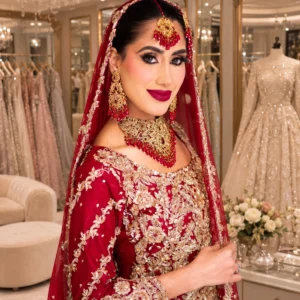
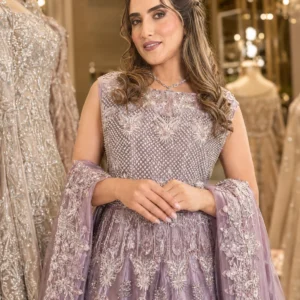
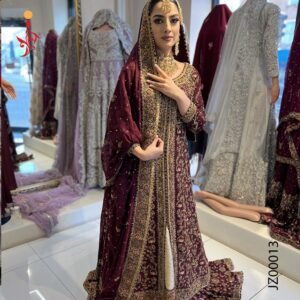
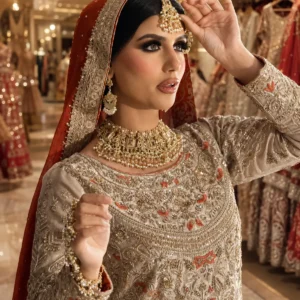
Ready to Find Your Dream Outfit?
Book a free consultation at our Manchester boutique or browse our latest collections online.
You Might Also Like
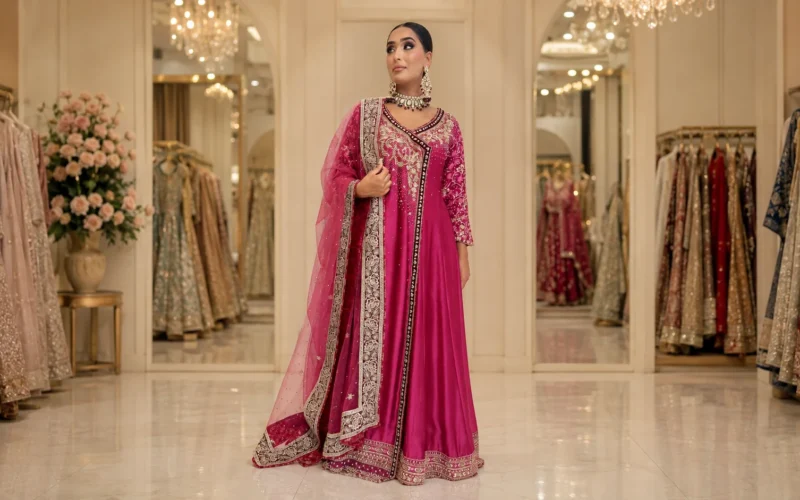
What to Wear to a Pakistani Wedding as a Guest: Complete Guide 2026
Attending a Pakistani wedding for the first time can feel overwhelming when it comes to choosing what to wear. Unlike Western weddings...
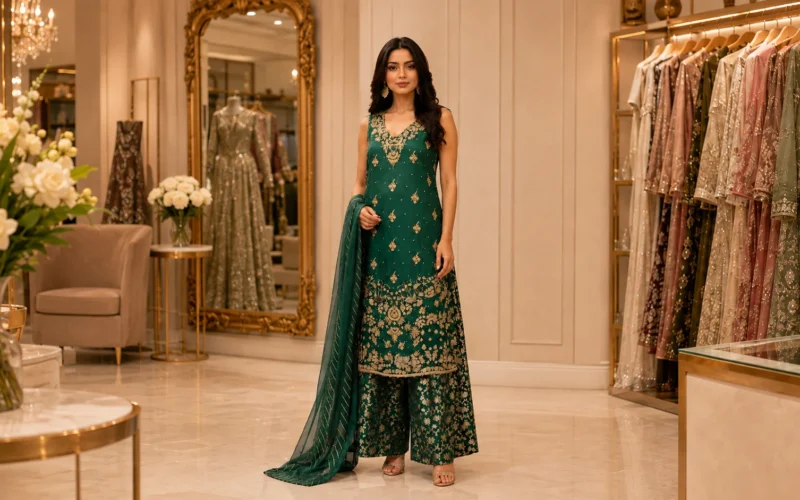
Pakistani Wedding Guest Dresses in Manchester: Why Bespoke Beats Online
When it comes to choosing a Pakistani wedding guest dress, there is a world of difference between ordering online and visiting a...
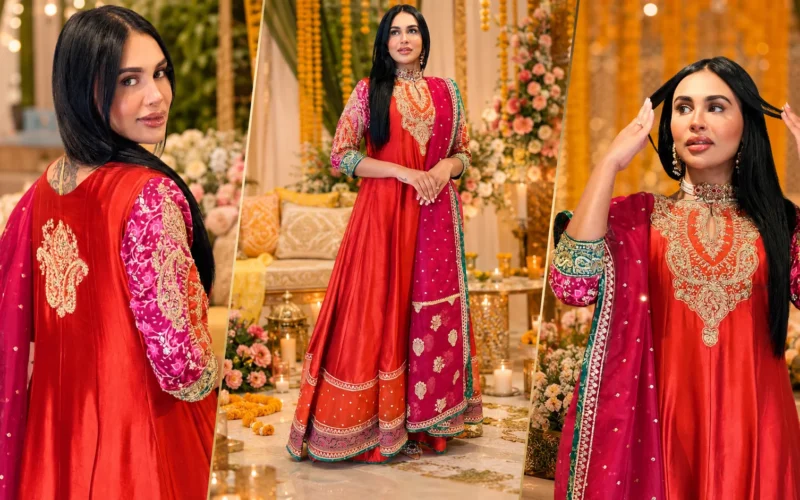
Pakistani Mehndi Guest Outfits: Colours, Styles & Etiquette
The mehndi ceremony is the most vibrant event in a Pakistani wedding calendar. Known for its music, dancing, and joyful atmosphere, the...
