
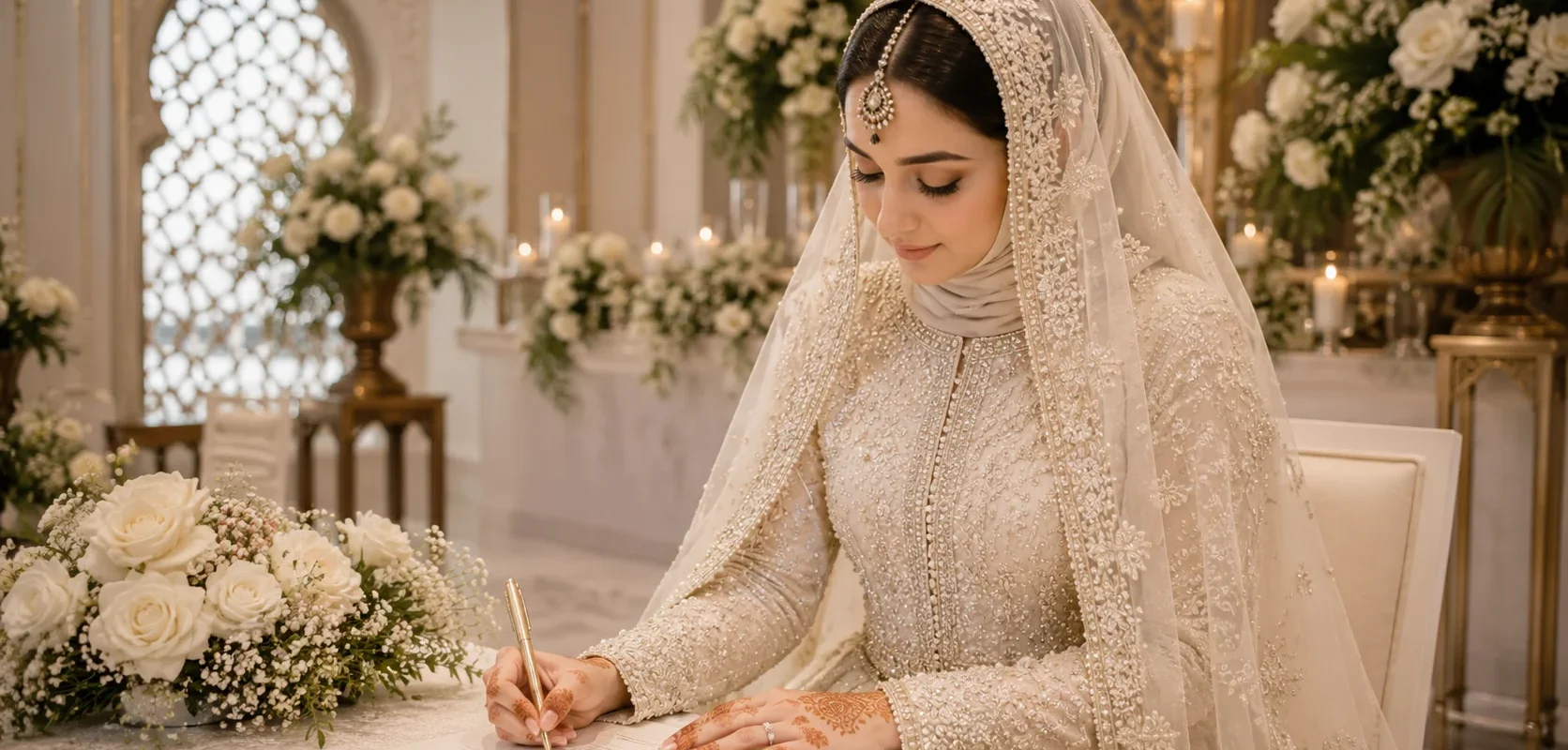
The nikkah is the most sacred and intimate moment of a Muslim wedding. It is the moment when vows are exchanged, the marriage contract is signed and two lives are joined together in faith. For the bride. The nikkah dress must honour the significance of this ceremony while reflecting her personal style and the love she brings to the occasion. At Jabeenz in Manchester, we have been handcrafting bespoke nikkah dresses since 1975. And we believe that every bride deserves to feel extraordinary at the moment she says “I do.” According to the British Bridal Suppliers Association. Handmade bridal wear remains the gold standard for quality and fit.
This guide explores nikkah dress styles, the white versus colour debate, modest design options, fabric choices and the traditions that shape this deeply meaningful garment.
The White Versus Colour Debate
One of the most frequently discussed topics in nikkah fashion is whether to wear white or colour. Often, South Asian brides wore colours for all their wedding events, including the nikkah. White was associated with mourning in some South Asian cultures. And brides chose shades ranging from soft ivory to rich red depending on their cultural background and personal preference.
In recent decades. White and ivory nikkah dresses have become increasingly popular among Muslim brides in the UK, influenced by Western bridal fashion and a desire to distinguish the nikkah outfit from the baraat dress. A white nikkah dress creates a striking visual contrast with the red or heavily coloured baraat outfit. And many brides feel that the purity and simplicity of white beautifully reflects the sacred nature of the ceremony.
There is no religious requirement to wear any specific colour for the nikkah. The choice is entirely personal, and both white and coloured dresses are equally valid and beautiful. Some brides split the difference, choosing off-white, champagne, blush or the softest mint to create a look that feels bridal without being stark white. Whatever you choose, the most important thing is that you feel comfortable, confident and true to yourself. Explore our Nikkah dress collection to see the full range of colours and styles we offer.
Modest Nikkah Dress Styles
Modesty is fundamental to nikkah dressing and many brides choose this ceremony to express their commitment to modest fashion at its most beautiful. Full-length sleeves, a high neckline and a floor-length hemline are the standard requirements and within these parameters, there is an extraordinary range of design possibilities.
A long-sleeved A-line gown with delicate hand embroidery is a timeless nikkah choice. This silhouette flatters every body type, moves gracefully, and provides a beautiful canvas for detailed decoration work. The simplicity of the shape allows the craftsmanship to take centre stage. This is exactly what a nikkah ceremony deserves.
For brides who want a more structured, fashion-forward look, a high-necked column dress with a detachable train offers versatility and drama. The slim silhouette creates a modern. Elegant line, while the removable train adds grandeur for the ceremony and can be removed for the reception or photographs. Cape sleeves, bishop sleeves and bell sleeves are all popular sleeve styles that provide full coverage while adding interest and movement to the design.
Hijab-wearing brides have additional considerations, and at Jabeenz, we design with these in mind from the very beginning. Necklines are designed to sit smoothly beneath the hijab. And sleeves are cut to ensure there are no gaps when the arms are raised for photographs or during the ceremony. Every detail is considered to ensure the bride looks and feels perfectly composed throughout the day.
Fabric Choices for the Nikkah
The nikkah dress fabric should feel special and luxurious without being heavy or uncomfortable. Crepe. Mikado silk and duchess satin are excellent choices for structured silhouettes, as they hold their shape cleanly and create beautiful, defined lines that photograph well.
For softer, more romantic looks, chiffon, georgette and tulle offer lightness and movement. Layered tulle skirts create a dreamy, ethereal quality, while chiffon sleeves provide full coverage with a delicate, feminine transparency when lined appropriately. Organza is another excellent option. We offer a crisp texture that holds volume without adding weight.
Lace is perennially popular for nikkah dresses, and when used thoughtfully, it adds texture, detail and romance. French lace, Chantilly lace and corded lace can be layered over an opaque lining to create patterns that are visible but not revealing. At Jabeenz, we source our laces from European and Asian textile houses to ensure the highest quality and the most beautiful designs for our brides.
For winter nikkah ceremonies, velvet is a sumptuous option that adds warmth and a regal quality. A velvet nikkah dress in ivory. Champagne or soft pink, decorated with pearl and crystal work, creates a look of quiet luxury that is perfect for cooler months.
Decoration for the Nikkah Dress
Nikkah dress decoration tends to be more refined and delicate than baraat decoration. Where the baraat outfit might feature heavy. All-over zardozi and crystal work, the nikkah dress typically showcases subtler techniques: tone-on-tone embroidery, delicate pearl beading, fine thread work and carefully placed crystal accents.
This restraint is part of what makes the nikkah dress so beautiful. By focusing decoration on key areas. Such as the bodice, cuffs, neckline and hem, the designer creates points of interest that draw the eye without overwhelming the overall look. The negative space between decorated areas is just as important as the embroidery itself. This lets the quality of the fabric and the elegance of the cut to shine through.
Popular decoration techniques for nikkah dresses include hand-sewn seed pearls. This create a luminous, organic texture. Silver and white threadwork. This adds subtle pattern without bold colour. And crystal beading along hems and necklines. This catches the light and frames the bride’s face beautifully.
Nikkah Traditions Across Cultures
Nikkah dress traditions vary much across different Muslim cultures. And understanding these differences can help brides make choices that honour their heritage while expressing their individuality.
Pakistani brides have often worn pastel or white shalwar kameez or lengha sets for the nikkah, though modern trends increasingly favour gown-style silhouettes. Bangladeshi brides often choose sarees or lenghas in soft pink or gold. Arab brides typically wear white wedding gowns similar to Western bridal fashion, often with a hijab and long veil. Malaysian and Indonesian brides may wear traditional baju kurung or kebaya in rich, jewel-toned colours.
In the UK, where diverse Muslim communities live side by side, many brides blend traditions from different cultures. A Pakistani bride might choose a Western-style white gown with traditional zardozi embroidery and an Arab bride might incorporate a coloured dupatta into her white dress for a South Asian-influenced look. This cultural blending is one of the most exciting aspects of Muslim bridal fashion in Britain. And it produces some of the most creative and personal bridal looks we see at Jabeenz.
Planning Your Nikkah Look
Start your nikkah dress search at the same time as your baraat outfit, typically six to eight months before the wedding. Consider how the two outfits will complement each other: if your baraat dress is heavily decorated in red and gold. A simple white nikkah dress with silver detailing creates a beautiful contrast.
Think about your nikkah venue when choosing your dress. A mosque ceremony calls for full modesty and a dress that is comfortable for sitting on the floor. A venue nikkah allows more flexibility with trains, volume and dramatic silhouettes. Consider whether you will change between the nikkah and any subsequent events and whether your nikkah outfit needs to carry you through the entire day.
Accessories should enhance, not compete with, the nikkah dress. A delicate matha patti or maang tikka, simple pearl or diamond studs and a matching clutch are usually all that is needed. Save the heavier, more dramatic jewellery for the baraat.
Frequently Asked Questions
Is there a religious dress code for the nikkah?
Islam requires modesty in dress. This means the bride should be covered from wrist to ankle with a non-transparent, non-clinging fabric. Beyond these requirements, there is no specific religious dress code: no mandated colour, silhouette or style. The nikkah dress should reflect the bride’s personal interpretation of modest, beautiful dressing.
Can I wear a Western-style wedding gown for my nikkah?
Absolutely. Many Muslim brides in the UK choose Western-style gowns for their nikkah, adapting the design to include long sleeves, a high neckline and full coverage. A Western silhouette with traditional Islamic embroidery, such as geometric patterns or Arabic calligraphy, can create a unique and meaningful fusion look.
Should my nikkah dress be simpler than my baraat dress?
Often, yes. The nikkah dress tends to be more understated than the baraat outfit. This reflects the solemnity and intimacy of the religious ceremony. However, some brides choose to make the nikkah their most elaborate look, especially if the nikkah is the larger event. There is no right or wrong approach: choose what feels authentic to you.
Can Jabeenz create a bespoke nikkah dress?
Yes, bespoke nikkah dresses are one of our specialities at Jabeenz. Our design team in Manchester will work with you from initial concept to final fitting. This creates a dress that is made exclusively for you, with handcrafted decoration, premium fabrics and a fit that is tailored to your exact measurements. Every nikkah dress we create is a one-of-a-kind piece.
Your nikkah dress marks the most sacred moment of your wedding journey. It should be beautiful, meaningful and uniquely yours. If you are ready to start designing the perfect nikkah look, Book a consultation with the bridal team at Jabeenz in Manchester, where handcrafted excellence has been our tradition for over fifty years.
Next step: Book a free consultation with Jabeenz to discuss your requirements, or explore the Dream Dress Studio to start from an inspiration image.
Shop This Look
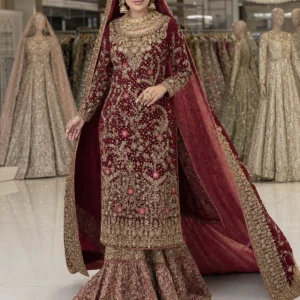
Ready to Find Your Dream Outfit?
Book a free consultation at our Manchester boutique or browse our latest collections online.
You Might Also Like
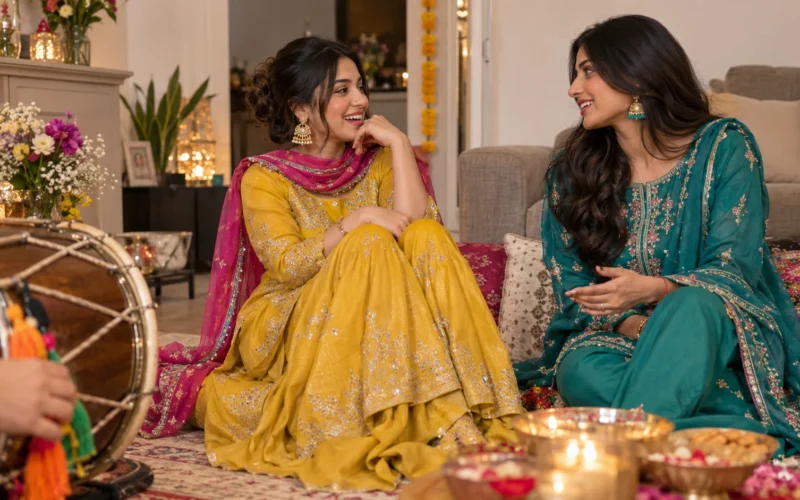
Dholki Outfits for Guests: What Works Best for a Home Celebration?
Learn how dholki guest outfits choices affect seating, guest and comfort, with practical UK wedding advice and fitting checks for a more...
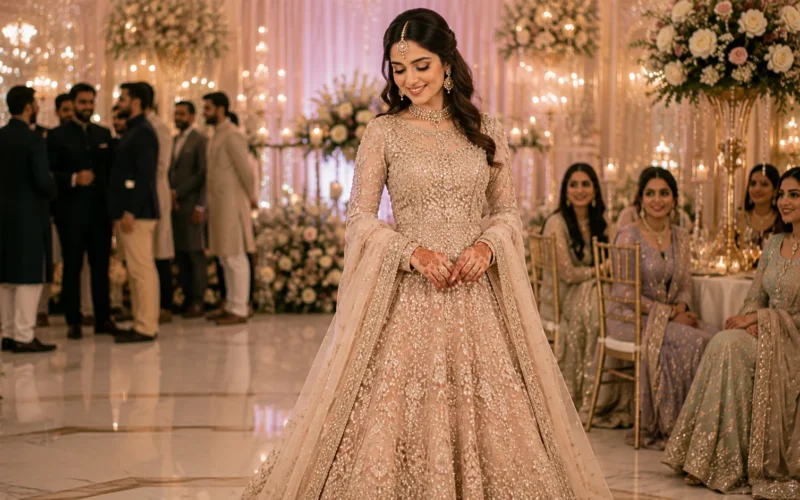
Walima Dresses: Styles, Colours and Etiquette
Our walima dresses guide covers styles, colours and etiquette for the reception. Jabeenz Manchester designs bespoke walima outfits. Book a consultation.
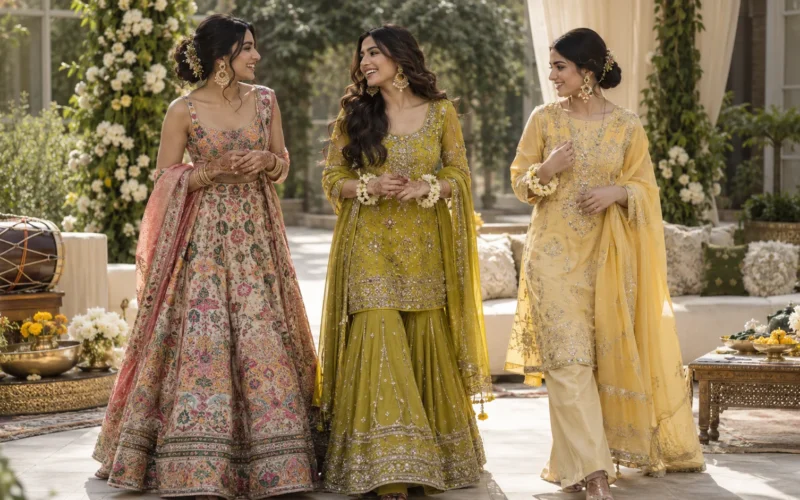
Asian Bridal Dresses for Pre-Wedding Events: How to Avoid Repeating the Same Look
Plan pre wedding bridalwear with practical advice on dupatta, embroidery, fit and movement. Use these UK wedding checks before approving the final...
