
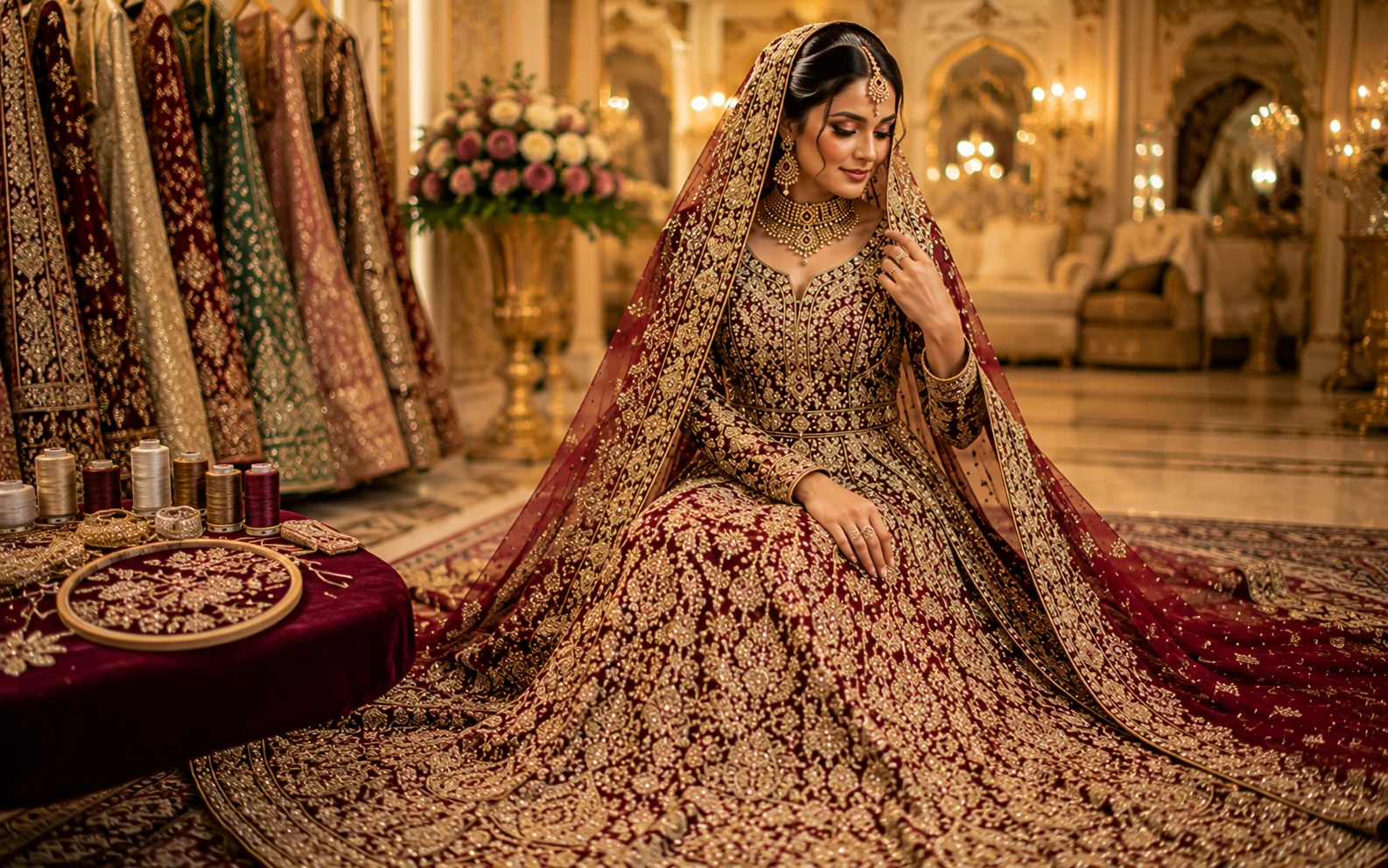
Bridal stitching is the art of decorating fabric with needlework, thread, beads. Sequins to create ornate patterns. Motifs. In Pakistani bridal fashion, stitching methods like zardozi, dabka, kora. mirror work transform plain fabric into rich, heirloom-quality garments. According to the British Bridal Suppliers Association. Handmade bridal wear remains the gold standard for quality and fit.
Key Takeaway: Pakistani wedding dresses with fine stitching showcase centuries-old methods including zardozi. Dabka. Tilla. resham that transform fabric into wearable art.
Pakistani wedding dresses with fine stitching showcase centuries-old methods including zardozi. Dabka. Tilla. resham that transform fabric into wearable art. Jabeenz in Manchester. Manufacturing bridal couture since 1975. Employs skilled artisans who hand-execute these stitching traditions on premium silks. Velvets. And organza to create bespoke bridal pieces of top craftsmanship.
Pakistani wedding dresses with fine stitching manage to create the most graceful. Detailed outfits in fashion across the world. Each bridal outfit stands as an association of local background. Artistic mastery and historical significance. The fine stitching element distinguishes Pakistani wedding attire because it turns every dress into a beautifully detailed masterpiece.
This blog discusses why Pakistani wedding dresses with fine stitching have become popular worldwide through their grand patterns. Everlasting grace.
How Does Pakistani Bridal Wear Celebrate Tradition?
Pakistani weddings exude grandeur through vibrant celebrations and classic celebrations which make Bridal dresses express both elements brilliantly. Each classic lehenga along with the sharara and Gharara and flowing anarkali gown, derives its roots from Pakistan’s local roots. Hand stitching emerges as the true highlight because it blankets the complete outfit with reflective motifs. Fine designs.
The stitching method here goes beyond mere decoration because it transforms into storytelling art. Bridal wear gets its inspiration from Mughal art and shows floral vines while showing peacocks. Paisley designs and geometric patterns which skilled artisans stitch precisely into each ensemble.
What Makes Hand stitching Special in Bridal Wear?
Manual execution remains the exclusive method to adorn Pakistani bridal dresses. Artisans apply stitching methods that they acquired through ancient intergenerational transmissions. Three well-known stitching styles include Zardozi, Dabka and Resham.
- The classic Zardozi method consists of artists creating royal patterns through hand-stitching gold. Silver threads.
- Dabka is a fine metal thread garment stitching that designers use exclusively for bridal wear.
- Resham: Soft silk thread stitching for a more soft and graceful look.
- The detailed work of Gota. Kiran Work combines ribbon. Lace elements to create a festive appearance.
- The evening wedding ensemble benefits from mirror. Sequin Work which produces a magical sparkle effect through the garments.
The long hours or days of work devoted to each stitching process result in dress collections that stand out as both exclusive. Rich pieces.
Which Fabrics Best Showcase Bridal stitching?
The implementation of detailed stitching requires high-end fabric materials that include silk. Velvet and organza and chiffon along with net. The fabrics preserve the stitching along with delivering an organic, rich appearance. Substance to the garment.
When a velvet lehenga carries gold zardozi work. There instantly emerges a taste of royal splendour for winter weddings. Light resham-stitched organza gowns create a romantic appearance since they appear soft.
The alignment of design methods between fabric choice. Stitching creates balanced arrangements of texture with weight elements and regal refinement.
How Do Bridal Dress Colours Tell a Story?
Red stands as a tradition for Pakistan wedding colours. But, modern brides decide to explore various options. Wedding dresses now come in many soft pinks alongside champagne golds. Deep maroons, emerald greens. Pastels that include lavender. Ice blue.
The method of stitching in these dresses makes deliberate colour matching or contrasting selections to boost their colour schemes. Both silver with pearl. Antique gold thread crafts enhance a gown’s appearance when used with a pastel fabric base.
Can Modern Touches match classic Bridal?
Current brides adopt classic wedding outfits by blending personal style choices into their choices. A modern shape joins classic stitching when peplum tops with fitted bodies match up with flared Shararas while dupattas in cape shapes cover lehengas.
The demand for Fusion gowns keeps rising because they blend Western styles. The classic methods of Indian stitching. The blended style enables women to preserve their local roots. Roots elements. The addition of modern fashion sensibilities.
Final Thoughts
classic stitched wedding clothing in the UK functions as precious family treasures that showcase national pride while showing top craftsmanship. A Pakistani-style stitched dress serves as an anchor point for wedding brides in UK when planning far-off events because it shows beauty together. With local significance.
Pakistani wedding fashion provides brides the chance to discover an lasting dress that will stay lovely forever along. With maintaining its royal feel. Each thread in the design tells the narrative of your life.
Related Reading
- Decoration methods in Pakistani Bridal Fashion
- Classic Pakistani Bridal Gown Dresses for a lasting Wedding
- Best Pakistani Bridal Gowns for a Grand Wedding
Visit Jabeenz in Manchester . Our boutique at 934 Stockport Road. Levenshulme. Manchester M19 3AB is open daily from 11am to 7pm. Book a free bridal consultation or Browse our collections online. Call us on 07361 805655 or WhatsApp us for personalised styling advice.
What Are the Key Hand-stitching methods in Pakistani Bridal Wear?
Understanding the difference between stitching methods helps brides appreciate what goes into their garment. Make informed choices. Zardozi is the heavyweight of Pakistani bridal stitching. It uses metallic threads. Often gold or silver wrapped around a silk core. Worked with a hooked needle called an aari. The thread is couched onto the fabric surface. This creates raised, shaped patterns that catch light beautifully. A single zardozi panel can take an artisan several weeks to complete. the best work has a three-dimensional quality that flat stitching cannot achieve. Dabka work uses coiled wire springs, called dabka or bullion. This are stitched flat or raised to create textured motifs. When combined with zardozi, dabka adds a tactile dimension. This creates contrast between smooth metallic surfaces and coiled, springy textures.
How Do Tilla and Aari Work match Heavier stitching?
Tilla work uses flat metallic ribbon rather than round thread. This produces a smooth. Reflective surface that sits differently on fabric than raised zardozi. It is mainly effective for filling large areas. This creates borders, and adding geometric precision to a design. Aari work. Named after the hooked needle used to create it. Produces fine chain stitches that can range. With soft outline work to dense, filled patterns. At Jabeenz. Our artisans often combine all four methods. With a single bridal piece. Using zardozi. Dabka for the focal points, tilla for structured borders. And aari chain stitch for detailed infill and transitional areas. This layered approach creates the rich. Complex surface texture that distinguishes hand-stitched bridal wear from machine-produced alternatives. Each method has its own rhythm. Its own tools. And its own visual weight. Knowing how to balance them is something that comes from years at the frame. our craftspeople have been refining this balance since 1975.
Frequently Asked Questions About stitched Bridal Dresses
What is the difference between zardozi and dabka stitching?
Zardozi uses metallic threads for a smooth, lustrous finish. Meanwhile dabka uses coiled wire springs for a textured, slightly matte effect. Both are hand-executed methods used on luxury bridal wear. At Jabeenz, our craftsmen combine both for rich, layered surface texture. Browse our Bridal range to see examples.
How long does hand stitching take on a bridal dress?
A single zardozi panel can take an artisan several weeks to complete. a fully stitched bridal piece often requires 8 to 12 weeks of handwork. This is why we recommend Booking your consultation at least 4 to 6 months before your wedding date to allow proper construction time.
Which fabric works best for heavy stitching on bridal wear?
Velvet, raw silk, and organza are ideal base fabrics for heavy stitching. Velvet supports raised zardozi beautifully, raw silk provides a rich matte foundation. Organza offers lightweight grace with stitched panels. Our Bespoke service guides brides through fabric selection for optimal stitching results.
References &. Sources
Related: Bridal Dress Alterations: Achieving Tailoring Perfection
Comparison
| Feature | Jabeenz | Typical Retailers |
|---|---|---|
| Own manufacturing | ✓ | ✗. Imported |
| Bespoke service | ✓. From £200 | Limited |
| Free consultation | ✓. 7 days a week | Often £20-50 |
| Hand embroidery | ✓. 800-2000 hours | ✗. Machine |
This is a key point to keep in mind.
Each bride is one of a kind.
Style and fit go hand in hand.
The end goal is the perfect dress for your big day.
Next step: Book a free consultation with Jabeenz to discuss your requirements, or explore the Dream Dress Studio to start from an inspiration image.
Shop This Look
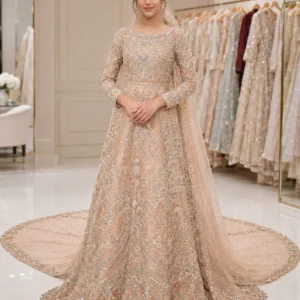
Ready to Find Your Dream Outfit?
Book a free consultation at our Manchester boutique or browse our latest collections online.
You Might Also Like
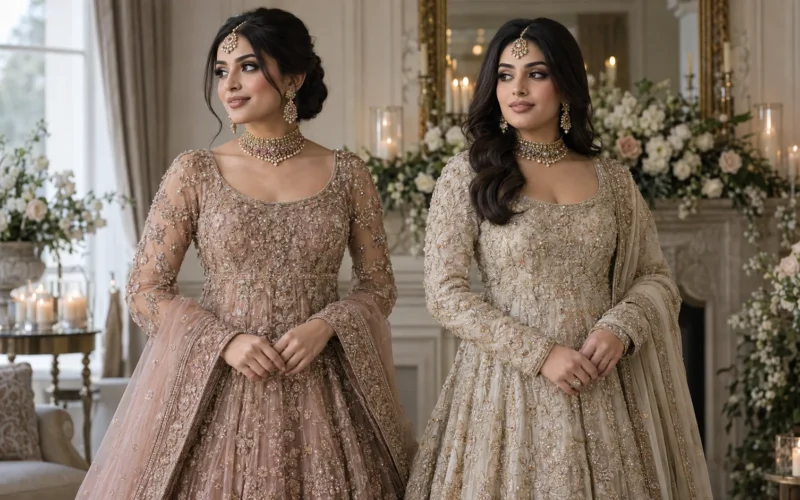
Asian Wedding Dresses: Sheer Sleeves vs Lined Sleeves for UK Weddings
Learn how bridal sleeve lining choices affect lining, photos and comfort, with practical UK wedding advice and fitting checks for a more...
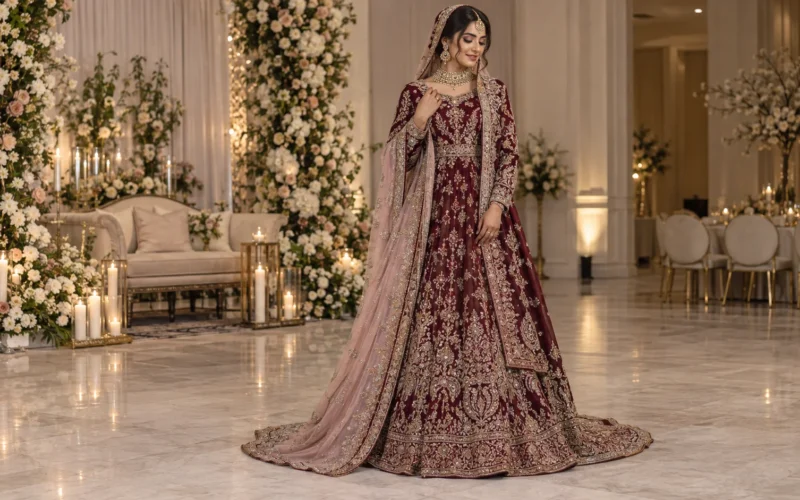
Pakistani Wedding Dresses UK: Using Pastel as an Accent Instead of the Main Colour
Learn how pastel bridal accents choices affect lining, white and comfort, with practical UK wedding advice and fitting checks for a more...
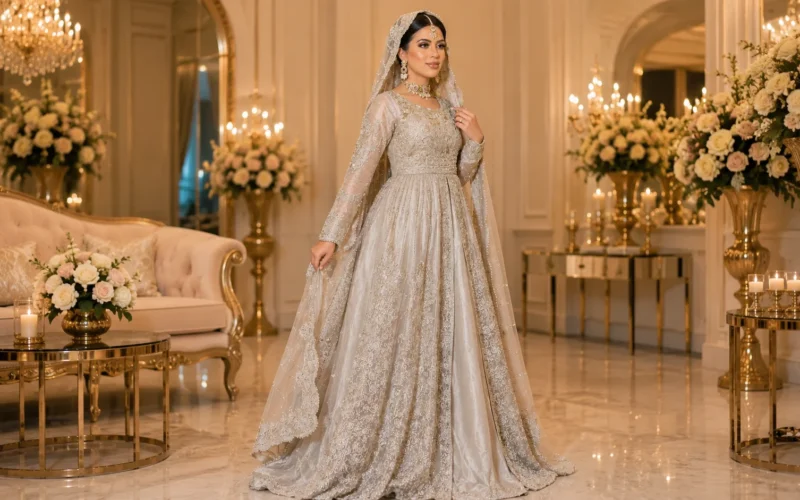
Pastel Bridal Lehengas: The 2026 Trend Taking Over
Pastel bridal lehengas are the biggest trend of 2026. Blush, mint, lavender, and champagne options. Bespoke colour matching at Jabeenz Manchester.
