
Traditional vs. Contemporary Pakistani Bridal Wear: Bridging Heritage and Modern Elegance
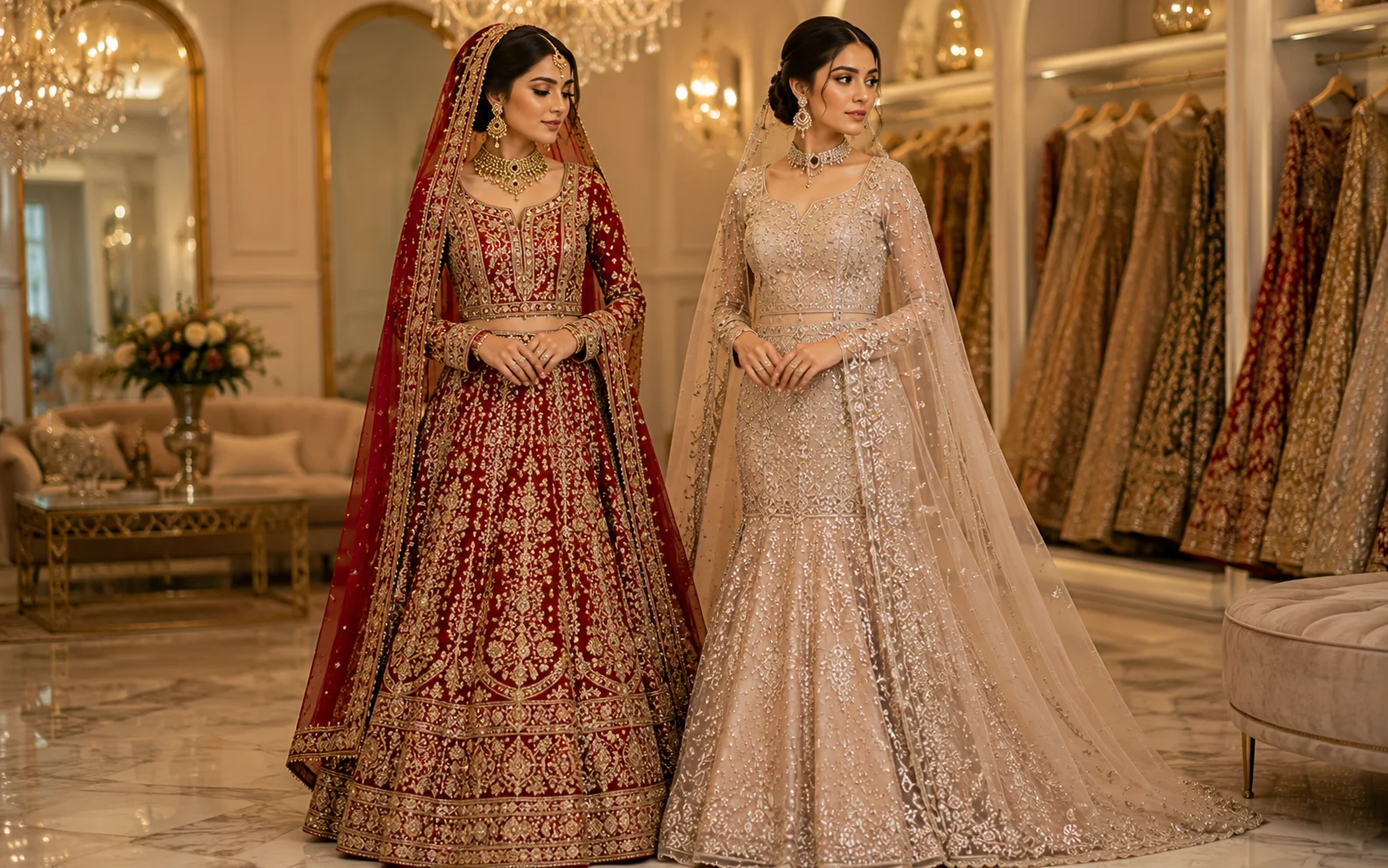
Traditional vs. Contemporary Pakistani Bridal Wear: Bridging Heritage Modern Elegance is a vital consideration for modern South Asian brides planning their wedding in the UK. At Jabeenz in Manchester, established in 1975, our team handcrafts every garment in-house, drawing on five decades of bridal expertise to guide brides through this important decision.
The Pakistani bridal fashion is a splendour of history and culture as well as growing creativity. To the soon-to-be brides, the path towards having their dream outfit is usually filled with emotional decision-making: classic vs. modern bridal dress. Both styles are beautiful and charming in their own ways. Each suits the personality, values and visions of a particular person. This blog delves into the differences between the two and why a large number of modern brides are opting to combine them into a unique declaration.
Customary Bridal Dress: Paying Absence to Traditions
The Pakistani bridal clothes have centuries of culture behind them. Such outfits commonly cover all affluent histories of Mughal and Persian impacts. This include traditional forms such as lehenga choli, gharara, sharara or farshi lehenga. Artisans heavily embroider these ensembles using zari, dabke, gota, and resham. They are costumed with rich fabrics such as jamawar, velvet, silk and banarsi.
Traditional wear mainly involves colours; the reds, the maroons and the golds have always been used to signify love, wealth and good luck. Generations of artisans have inherited and passed down this elaborate craftwork. Each artisan creates more than a dress-they shape a piece of cultural heritage.
Most brides do use traditional clothes because they want to follow family customs, their beliefs, or just because of the classical beauty such clothes possess. A classical bridal would also have large jewellery, heavy dupattas and a royal feel that would reflect in bridal pictures in historical paintings or historical wedding albums.
Modern Bridal Wear Beauty: The Modern Language
The modern wedding fashion in Pakistan is all about transgressing and becoming personal in style. Although it is still based on a tradition, modern designs have restyled the bridal wear through minimalism, experimentation in cuts and a wider spectrum of colours. New brides no longer fear to use pastels, ivory, icy blues or even blacks as their wedding colours.
Designers have started to merge the world with Pakistani artisans. Tailored dresses with all those conservative decorations are in fashion. As well as sleek jumpsuits with an embroidered cape or along with a flowy maxi with little embroidery. Even the modern brides choose lightweight attires, which focus on being comfortable and do not forget about being elegant.
Modern bridal dresses indicate the turn to personalisation. The bride would like to write their own narration sometimes with fabric selection. The shape, the embroidery styles, or even the fusion attire with a combination of the eastern and western styles.
A Trend of a Fusion: The Best of Both Worlds
The most exciting thing is that today the brides are setting new and different standards by offering a mixture of the two styles. A traditional lehenga and modern-day off , shoulder blouses, or classic sleek gota work embroidery on pastel fabrics , that kind of combination can be used and one will still have the ability to flaunt the heritage yet at the same time be VERY unique.
The diversity of events included in a contemporary South Asian wedding, with their respective shaadi looks, mehndi looks, and walima looks now combine to give brides an opportunity to design an entire wardrobe that gives a hint or two about their style, mood, and tastes.
Conclusion
The choices of letting yourself transition into the grandeur of traditional Pakistani bridal wear or the elegance of the modern style are not the right or wrong choice. What counts the most is how the outfit makes you look -confident, beautiful and yourself. Finally, bridal fashion is all about love, tradition, and individuality. They all should make every bride beautiful in her way.
Visit Jabeenz in Manchester , Our boutique at 934 Stockport Road, Levenshulme, Manchester M19 3AB is open daily from 11am to 7pm. Book a free bridal consultation or browse our collections online. Call us on 07361 805655 or WhatsApp us for personalised styling advice.
How Are Modern Brides Mixing Traditional and Contemporary Elements?
The most successful bridal looks in 2026 are not purely traditional or purely contemporary. They are thoughtful hybrids. A bride might choose a classic lehenga silhouette in a traditional red but opt for contemporary asymmetric embroidery placement rather than the conventional symmetrical patterns. Another might wear a thoroughly modern column gown but have it embroidered with heritage motifs drawn from Mughal miniature paintings. The mixing happens at every level, from fabric choice to colour to construction to embellishment.
One trend gaining significant traction among UK Pakistani brides is the concept of a ceremony transformation. The bride wears a fully traditional outfit for the nikah and baraat, complete with heavy dupatta, jhoomar, and traditional jewellery, then transitions to a sleeker, more contemporary silhouette for the reception. This might mean a structured peplum top with wide leg trousers, or a fitted gown with a detachable embroidered overskirt. The transformation approach lets brides honour both sensibilities without compromising either one.
What Traditional Techniques Should Never Be Abandoned?
Certain elements of Pakistani bridal craftsmanship are irreplaceable, regardless of how contemporary the overall design becomes. Hand embroidered zardozi, where real gold and silver wrapped threads are stitched individually onto the fabric, creates a lustre and depth that no machine can replicate. Gota patti, the applique technique using gold ribbon, adds a warmth and texture that laser cut alternatives simply cannot match. These are the techniques that distinguish genuinely crafted bridal wear from mass produced alternatives, and they are worth preserving even within the most modern silhouettes.
At Jabeenz in Manchester, the manufacturing process still relies on these traditional techniques, applied by artisans who have spent years perfecting their craft. When a bride chooses a contemporary cut, the embroidery work remains rooted in heritage methods. This combination of modern design thinking and traditional execution is precisely what defines the best of Asian wedding dress trends in the UK today.
Does Choosing Contemporary Mean Losing Cultural Identity?
Not at all. Cultural identity in bridal wear is not defined solely by silhouette or colour. It lives in the motifs chosen for embroidery, the way a dupatta is draped, the jewellery pairings, and the overall styling narrative. A bride wearing an ivory column gown embroidered with paisley and floral motifs in tilla work is making a statement about her Pakistani heritage just as clearly as a bride in a classic red lehenga. The cultural conversation has evolved, and so has bridal fashion. What matters is that the bride feels connected to her heritage in a way that feels authentic to her, not performative. South Asian wedding trends in 2026 reflect this maturity, embracing diversity of expression rather than prescribing a single correct approach.
Frequently Asked Questions
What are the biggest Pakistani bridal trends for 2026?
The biggest Pakistani bridal trends for 2026 include pastel colour palettes, 3D floral embellishments, fusion silhouettes combining Eastern craftsmanship with Western cuts, sustainable fabrics, and statement sleeves. At Jabeenz in Manchester, we design bespoke pieces incorporating these trends while honouring traditional craftsmanship.
Where can I find the latest Asian wedding dress trends in the UK?
Jabeenz in Manchester is one of the UK's leading Asian bridal boutiques, offering the latest Pakistani and South Asian wedding dress trends. Visit our showroom at 934 Stockport Road, Levenshulme, or browse our collections online at jabeenz.co.uk.
How are Pakistani bridal colours changing in 2026?
Pakistani bridal fashion is moving beyond traditional reds. Pastels like blush pink, sage green, champagne, and ivory are increasingly popular for 2026. Brides are also choosing deep jewel tones like emerald, sapphire, and burgundy for winter weddings.
Related Reading
Ready to Find Your Dream Outfit?
Book a free consultation at our Manchester boutique or browse our latest collections online.
You Might Also Like
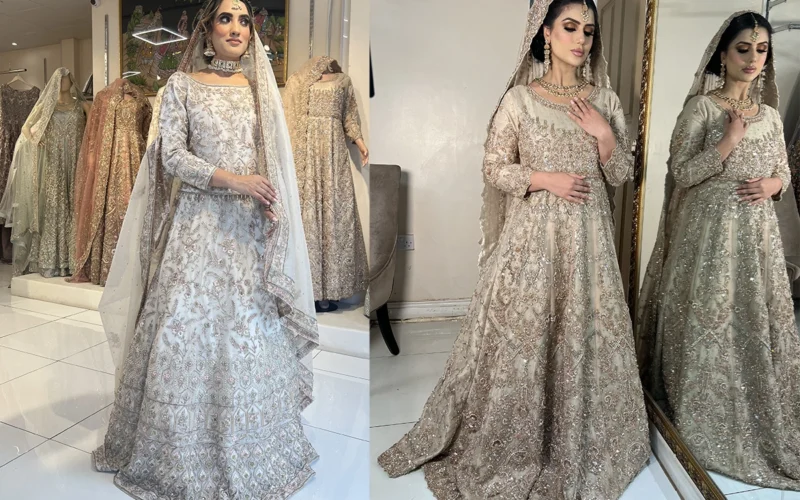
Fusion Bridal Wear: East Meets West Silhouettes That UK Brides Love
Discover fusion bridal wear that blends South Asian embroidery with Western silhouettes. Jabeenz Manchester handcrafts unique garments for multicultural UK brides.
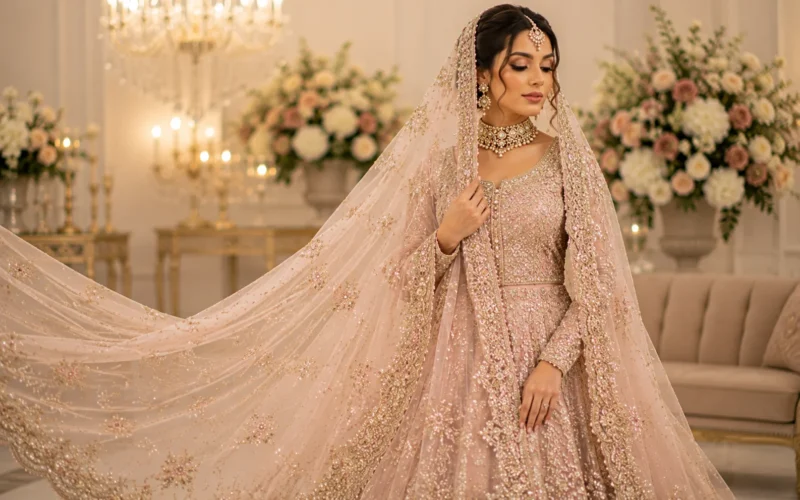
Pastel Champagne Bridal Dresses: The Soft Hues UK Brides are Picking in 2026
Pastel and champagne bridal dresses offer understated elegance for modern UK brides. Jabeenz Manchester handcrafts soft-hued lehengas with delicate pearl and sequin...
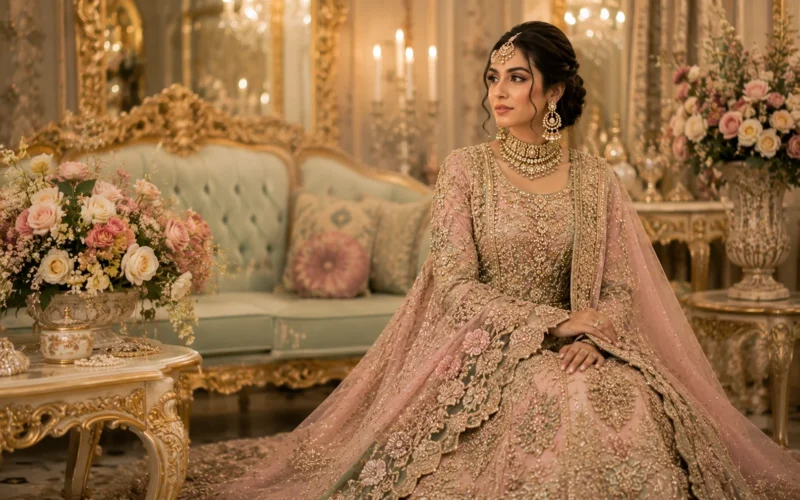
Vintage Rococo-Inspired Bridal Looks: Because Maximalism is Making a Comeback
Vintage rococo-inspired bridal looks celebrate maximalist embroidery and opulent textures. Jabeenz Manchester draws on heritage craftsmanship to revive these regal aesthetics.
