
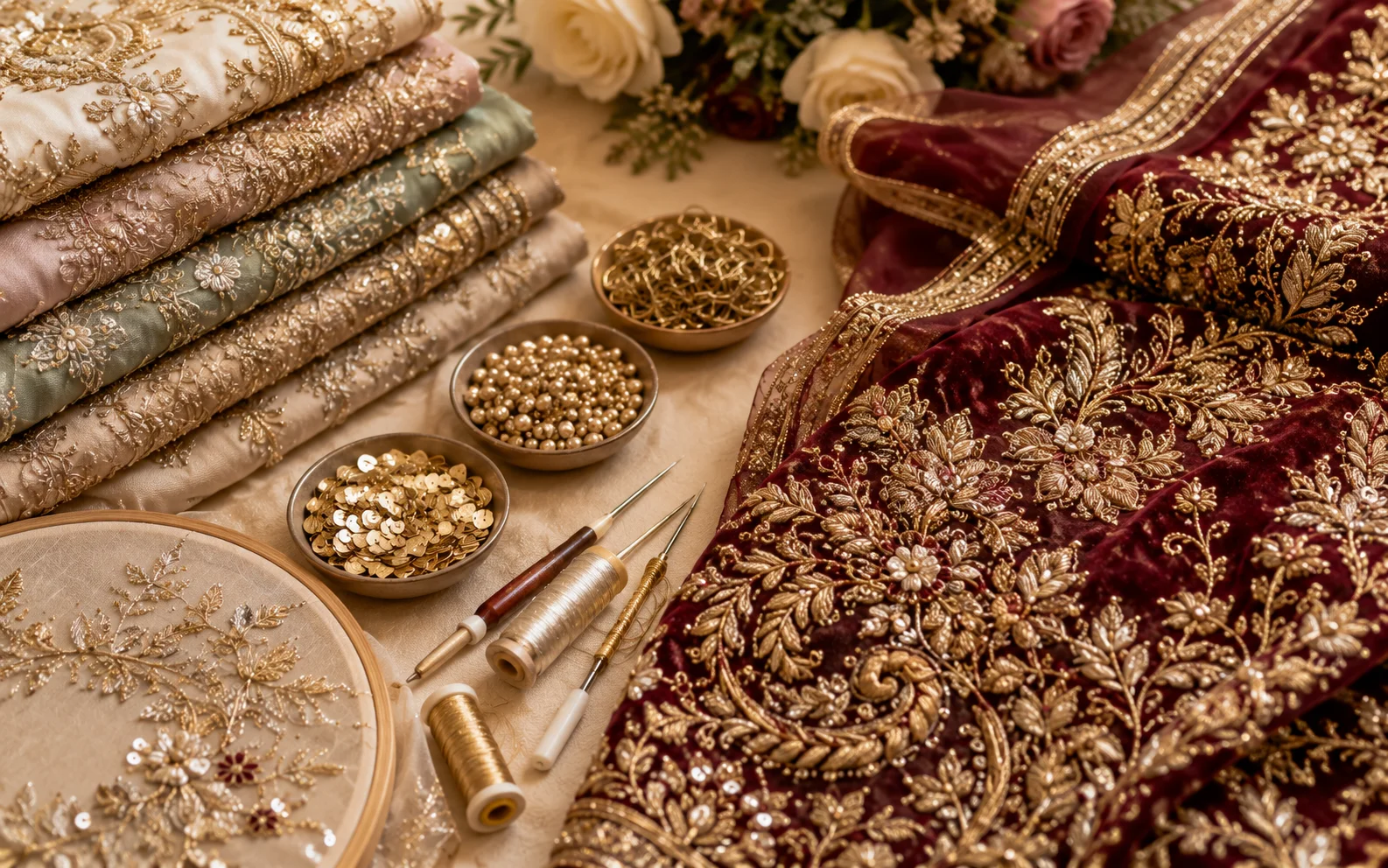
Key Takeaway: The embroidery on a Pakistani bridal dress is what sets it apart. At Jabeenz, we offer pakistani bridal wear designed at our Manchester studio.
The UK Asian bridal wear market is valued at over £500 million annually, with Pakistani bridal fashion accounting for about 35% of this sector. British Asian brides spend an average of £2,500. £5,000 on their primary bridal outfit, with bespoke pieces commanding premiums of 40. 60% above ready-to-wear.
The embroidery on a Pakistani bridal dress is what sets it apart. It is the detail that catches the eye, the craftsmanship that people talk about and the element that transforms fabric into something truly special. But with so many embroidery techniques used in South Asian bridal wear, it can be hard to know the difference between zardozi, dabka, tilla. And the rest.
At Jabeenz, our artisans work with all these techniques every day. This guide explains each one so you know exactly what to ask for when designing your bridal outfit.
What Is Zardozi Embroidery and Why Is It Used on Bridal Dresses?
Zardozi is one of the oldest and most prestigious forms of embroidery in South Asian fashion. The word comes from the Persian “zar” (gold) and “dozi” (sewing). Traditional zardozi uses metallic gold and silver threads stitched by hand onto heavy fabrics like silk and velvet.
Zardozi creates raised, three-dimensional patterns that catch the light and give the outfit a rich, regal look. It is commonly used on Bridal lehengas, dupattas, and blouses. The patterns often include floral motifs, paisleys, and geometric borders.
Because zardozi is done entirely by hand, it is one of the more expensive embroidery techniques. A fully zardozi-embroidered lehenga can take several weeks to complete. The weight of the metallic thread also adds to the overall weight of the outfit and it is best suited to structured fabrics that can carry the embroidery without sagging.
At Jabeenz, all zardozi work is done by skilled artisans in our own workshop. This means we can control the density, pattern placement, and quality of every stitch.
How Is Dabka Embroidery Different From Zardozi?
Dabka (sometimes spelled “dabkha”) uses coiled metallic wire that is stitched onto the fabric in loops and spirals. It creates a textured, raised surface that looks similar to zardozi but has a more defined, springy quality. When light hits dabka work, it creates a sparkling effect that photographs beautifully.
Dabka is often used alongside zardozi to add texture contrast. A common technique is to use zardozi for the main motifs and dabka for the borders and filling. This combination is very popular for Bridal dresses because it adds depth and visual interest without making the entire outfit uniformly heavy.
Like zardozi, dabka is hand-stitched and time-intensive. The coiled wire needs to be carefully shaped and secured to prevent it from catching or unravelling. Proper dabka work should feel smooth to the touch with no sharp edges.
What Is Tilla Work and Where Is It Used?
Tilla embroidery uses flat metallic ribbon (rather than thread or wire) to create bold, reflective patterns. The ribbon is couched onto the fabric surface. This creates large, graphic motifs that stand out from a distance. Tilla work has its roots in Kashmiri and Punjabi textile traditions and is often associated with traditional wedding wear.
Tilla is commonly used on gharara sets, shararas, and traditional Mehndi outfits. The flat ribbon creates a mirror-like surface that catches the light in a way that is different from zardozi or dabka. It is especially striking in gold on deep red, green, or black fabric.
Because tilla uses flat ribbon rather than raised thread, it adds less weight to the outfit compared to full zardozi. This makes it a good choice if you want metallic impact without a heavy garment.
What Is Gota Patti and Is It Suitable for Bridal Wear?
Gota patti is an applique technique where small pieces of gold or silver ribbon are cut into shapes (petals. Leaves, triangles) and stitched onto the fabric. It is one of the most recognisable embroidery styles in South Asian fashion and has a cheerful, festive look.
Gota patti is most popular for mehndi outfits and lighter occasion wear. For brides who want a less heavy. More playful look for their mehndi function, gota patti in gold on yellow, green and pink fabric is a classic choice. It also works well for Party wear and wedding guest outfits where full zardozi would be too formal.
For bridal dresses, gota patti can be combined with zardozi or dabka to add variety. A lehenga with zardozi borders and gota patti filling, for example, balances formality with lightness.
What Is the Difference Between Hand Embroidery and Machine Embroidery?
This is one of the most important questions to ask when buying bridal wear. Hand embroidery is done stitch by stitch by a skilled artisan. Machine embroidery uses computerised or manual embroidery machines to create patterns much faster.
Hand embroidery has a depth and irregularity that gives it character. Each piece is slightly different, and the craftsperson can adjust the density, angle, and tension of every stitch. This is why hand-embroidered bridal outfits have a richness that machine work cannot match.
Machine embroidery is more uniform and much faster to produce. This makes it more affordable. For Wedding guest outfits and lighter occasion wear, machine embroidery offers great value. But for a bridal dress that you will wear on the most important day of your life, hand embroidery is worth the investment.
At Jabeenz, we are transparent about which techniques we use on each garment. Our bespoke bridal pieces feature hand embroidery throughout. While our ready-to-wear range uses a combination of hand and machine work to offer quality at a more accessible price.
How Do I Choose the Right Embroidery for My Bridal Outfit?
The right embroidery depends on your budget, the fabric you are using, the occasion, and your personal style. Here are some general guidelines:
- Full bridal (baraat/main wedding day): Zardozi and dabka combination on silk or organza. This is the most formal and detailed option.
- Walima: Lighter zardozi or tilla work on organza or chiffon. Still bridal, but not as heavy as the main wedding outfit.
- Mehndi/sangeet: Gota patti, tilla, or lighter dabka. Colourful and festive.
- Nikkah: Clean, elegant embroidery on white or ivory. Subtle zardozi borders or delicate threadwork.
The best way to decide is to see and feel the embroidery in person. Book a Free consultation at our Manchester showroom and our design team will walk you through samples of each technique. You can compare the weight, texture and look side by side and make a decision based on what feels right for you.
Every piece at Jabeenz is designed and manufactured by our own team and whether you choose full zardozi or a mix of techniques. We have complete control over the quality and finish of your outfit from start to delivery.
Frequently Asked Questions
How long does zardozi embroidery take on a bridal dress?
A fully embroidered zardozi bridal lehenga typically requires 800 to 1,500 hours of hand stitching, depending on the density and complexity of the design. At Jabeenz, our master artisans work on each piece for 8 to 12 weeks to achieve the highest quality finish.
What is the difference between zardozi and dabka embroidery?
Zardozi uses flat metallic threads (gold or silver) to create bold. Raised patterns on fabric, while dabka employs tightly coiled wire springs that are stitched down to form textured, three-dimensional motifs. Both techniques are often combined on a single bridal garment for added depth and visual richness.
How do I care for a zardozi-embroidered bridal dress?
Zardozi garments should be stored flat in a muslin cloth to prevent thread damage. Avoid folding heavily embroidered areas, keep the dress away from direct sunlight and moisture. And have it professionally dry-cleaned by a specialist familiar with South Asian bridal wear. Proper care ensures the embroidery retains its lustre for generations.
References &. Sources
- Asian Bride Magazine. Bridal Trends
- Vogue India. Wedding Fashion
Related: Pakistani Wedding Guest Dresses: What to Wear
According to our dispatch records, 95% of in-stock orders are sent within 24 hours.
Comparison
| Feature | Jabeenz | Typical Retailers |
|---|---|---|
| Own manufacturing | ✓ | ✗ Imported |
| Bespoke service | ✓ From £200 | Limited |
| Free consultation | ✓ 7 days a week | Often £20-50 |
| Hand embroidery | ✓ 800-2000 hours | ✗ Machine |
Next step: Book a free consultation with Jabeenz to discuss your requirements, or explore the Dream Dress Studio to start from an inspiration image.
Shop This Look
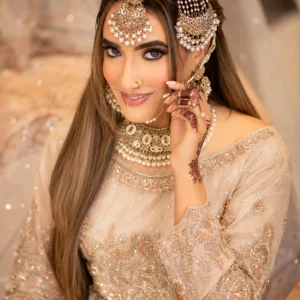
Ready to Find Your Dream Outfit?
Book a free consultation at our Manchester boutique or browse our latest collections online.
You Might Also Like
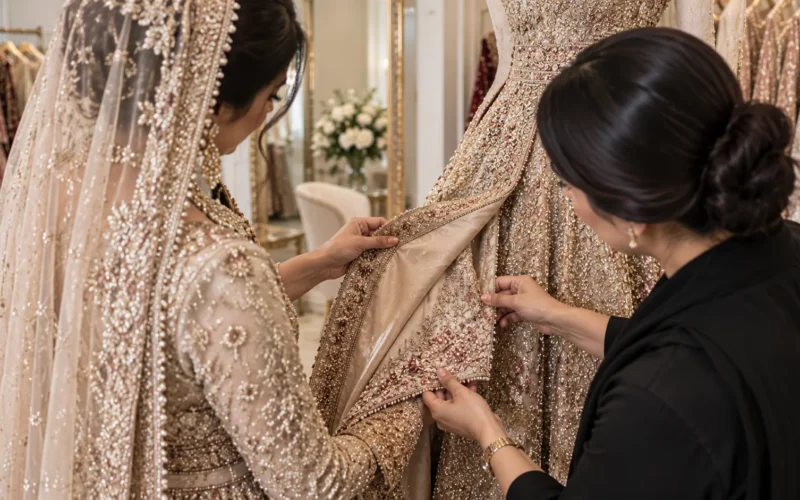
Pakistani Bridal Wear UK: What to Look for Beyond the Photos
Learn how bridal dress quality choices affect seating, lining and comfort, with practical UK wedding advice and fitting checks for a more...
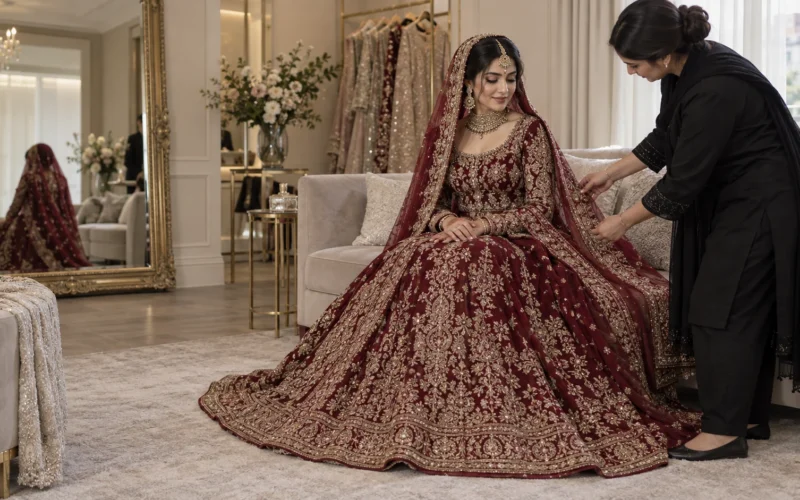
Pakistani Bridal Dress UK: How Wedding-Day Seating Should Influence Your Dress Design
Learn how bridal dress seating choices affect seating, photos and comfort, with practical UK wedding advice and fitting checks for a more...
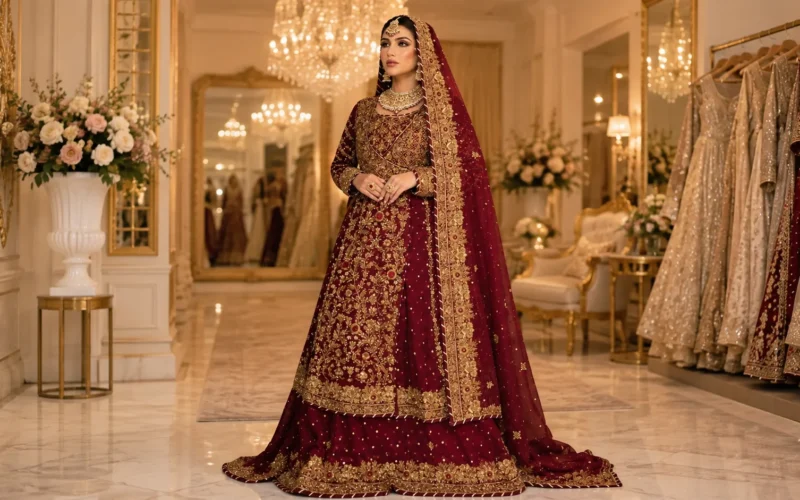
Islamic Wedding Dresses: A Complete Guide
Our Islamic wedding dresses guide covers modest bridal styles, hijab-friendly designs and fabric tips. Visit Jabeenz Manchester for bespoke gowns.
