
Bridal Accessories that Elevate the Look: Jewellery, Khussas, Matha Patti, Shahs etc.
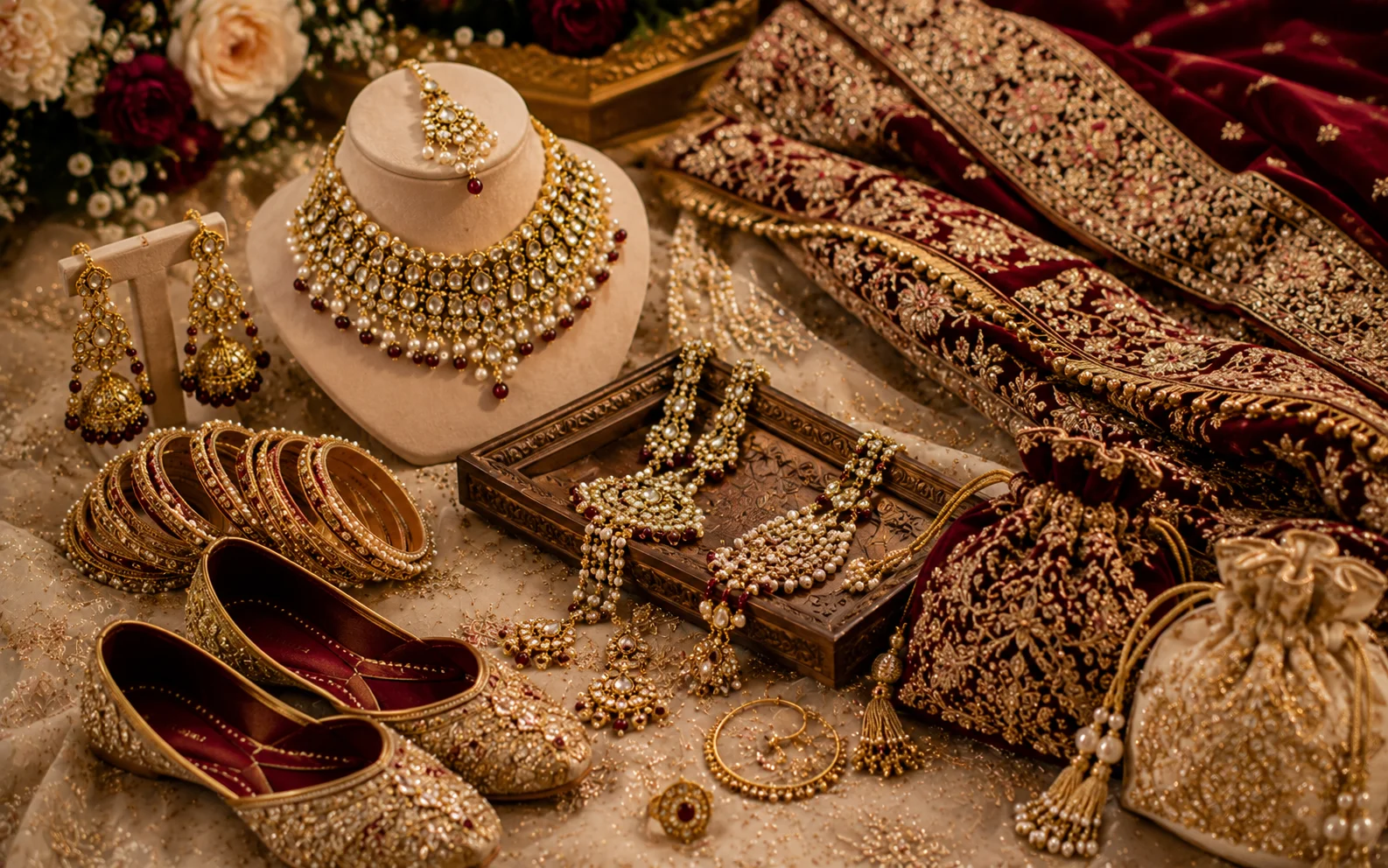
Bridal extras are the complementary items worn alongside a wedding dress. This includes jewellery, khussas (stitched shoes), matha patti (headpieces). hand chains. In Pakistani bridal fashion, extras are not mere additions. Integral elements that complete the overall bridal ensemble.
The UK Asian bridal wear market is valued at over £500 million annually. With Pakistani bridal fashion accounting for about 35% of this sector. British Asian brides spend an average of £2,500. £5,000 on their primary bridal outfit, with bespoke pieces commanding premiums of 40. 60% above ready-to-wear.
Key Takeaway: Bridal jewellery choices for winter weddings in the UK lean toward warm gold tones. Statement kundan sets. layered necklaces that match heavy bridal fabrics.
Bridal jewellery choices for winter weddings in the UK lean toward warm gold tones. Statement kundan sets. layered necklaces that match heavy bridal fabrics. At Jabeenz Manchester, our stylists advise brides on pairing jewellery with their Handcrafted outfits to achieve a cohesive, polished bridal look.
The magic with the Pakistani bridal fashion, as concerns the Lehenga or the gown. Lies in the fact that it is in the details. It is the way a bride chooses her jewellery. It is the glitter of her khussas. It is the beauty of her matha patti. And it is even the royalty of her shawl. All this adds to the one-time-in-a-lifetime look. Designers do not make Wedding dresses with extras. They match them. They tell a story, a story of tradition, art and feeling.
In our fifty years of dressing brides at our Manchester studio. We have seen trends come and go. But the demand for top craftsmanship and personalised service remains constant.
Now we will discuss the major bridal extras that transform a Pakistani bride’s look.
What Bridal Jewellery Is classic for Pakistani Weddings?
The appearance of the bridegroom is jewellery. The tongue of a legacy of generations. Love. Even the culture of the kundan necklaces of the Mughal brides to the polki chokers sparkling. With raw diamonds even have some local resonances. The use of gold has been an indication of the good life and marriage happiness. And the use of gold by brides today is an infusion of old. The backdrop of the modern.
Brides often layer their Indian necklaces beautifully. Jhumkas or chandbalis and a small nath (nose ring) are slightly wrapped around the face. This gives the old-world feel. Today brides have an chance to be classic and minimalistic at the same time . A trail of the modern figure can be trimmed with a maala or choker. It must be a question of balance:Brides should ensure the jewellery complements the outfit rather than overpowering it. It should be the one that will help the garment shine.
Why Are Khussas a Must-Have Bridal Accessory?
The khussa unites grace and comfort among the wedding extras. Artisans also make these elaborate stitched shoes by hand.
Elaborate embroideries ensure your feet stay stylish and classic. Khussas can be as artistic as the bride. In shiny thread-work. In gota adornment. in soft work with pearls or with mirrors.
What Is a Matha Patti and How Do You Style It?
No garment can be an embodiment of bridal royalty like a matha patti. This crown covers the face in a very lovely manner that provides the bride with some royalty. Often it stands for honour and beauty . It is an essential element of South Asian bridal wear.
How Do You Choose Between a Dupatta and Shawl?
The bridal shawl or dupatta holds symbolic value and sentiment. The mother or grandmother gave it. It is a symbol of blessings, modesty and continuation of tradition. Today dupatta is a massive statement dress. Designers have intensely stitched it in scalloped zari and sequins.
The latest fashion is that most brides wear two dupattas: A bride wears one dupatta in a stylish way. Drapes the other as a cover to create a regal two-dupatta look
. A finely faded shawl of velvet or organza. With fine zardozi or gota. Will add to the entire effect of portrait grace.
Which Bangles, Anklets and Rings Complete the Bridal Look?
The bridal dress is brought into order. Beauty by the faint drumming of the bangles. The glitter of the anklets (payal) and the shininess of the rings.
Glass bangles symbolise marital bliss. Wearing gold or silver ones adds a touch of luxury.
Which Bridal Bags and Clutches Are Trending?
At the wedding dinner storm. The bride keeps her necessities in a place of her choice: lipstick. Tissues or a charm of good luck. Get the bridal clutch or potli. These extras are usually beaded. And this is usually done in the form of beads. Pearls or sequins, according to the outfit that one is to wear. A bridal appearance may be customised to be very heavily pinned. Be combined with usefulness. Daintiness.
Bringing It All Together
A lovely wedding look is a grand symphony. All the details are associated. Harmonised with grace and emotion. The brides of Pakistan are now rejuvenating the tradition but with a modern touch. Using handmade jewellery, local shoes. Local ornaments that somehow manage to express the tradition and the personal personality.
Visit Jabeenz in Manchester . Our boutique at 934 Stockport Road. Levenshulme. Manchester M19 3AB is open daily from 11am to 7pm. Book a free bridal consultation or Browse our collections online. Call us on 07361 805655 or WhatsApp us for personalised styling advice.
How Do You Choose Between Modern and classic Bridal extras?
This decision often comes down to the overall mood of your wedding. Your personal comfort level. Classic extras. This includes a full matha patti, jhoomar. layered haar sets. Create an clearly regal bridal look that honours Pakistani roots beautifully. Modern alternatives like a single statement headpiece, soft ear chains. a minimalist choker offer a cleaner look that pairs well with modern outfit shapes. Many brides are now blending both approaches: wearing a classic matha patti. Nath for the nikah event. Then switching to modern statement earrings and a sleek hand chain for the walima. This gives you two distinct looks without needing an entirely new jewellery set. If you are exploring how to accessorise a lehenga without overwhelming it. The general rule is to let either the outfit or the jewellery be the star. Not both at full volume.
How Do You Budget for Pakistani Bridal Jewellery?
Bridal jewellery can easily become one of the most expensive parts of your wedding if you are not strategic. It. A practical approach is to invest in one hero piece. Like a statement rani haar or a kundan choker. And then use more budget complementary pieces around it. Artificial and semi-precious Pakistani bridal jewellery styling has improved enormously in recent years. And many high quality sets are virtually indistinguishable from real gold in photographs. Another clever strategy is to borrow family heirloom pieces for your nikah. Buy new modern pieces for the walima. This adds sentimental value to your event look while keeping costs manageable. Brides shopping in Manchester have the advantage of being able to visit multiple jewellery specialists in person along Stockport Road. Comparing quality and pricing before committing to a buy.
Frequently Asked Questions
What jewellery styles pair best with heavy bridal outfits?
For heavily stitched outfits, choose jewellery that complements without competing. Kundan sets, polki chokers. Jhoomar headpieces add grace while letting the garment remain the focal point. Browse bridal outfits to pair with.
Should I choose gold or silver jewellery for my bridal look?
Gold suits warm-toned outfits like reds, oranges, and greens. Meanwhile silver and platinum tones match pastels, blues, and cooler hues. Our stylists recommend matching metals to your stitching tones. Book a styling consultation.
Can Jabeenz help coordinate jewellery with my bridal outfit?
While we specialise in garments rather than jewellery. Our bridal consultants provide detailed guidance on jewellery styles. Metals. And proportions that will match your outfit perfectly. Contact us for advice.
Frequently Asked Questions
How do I style a dupatta with my bridal outfit?
There are several dupatta draping styles including the classic over-the-head look. The modern one-shoulder drape. the regal Mughal-inspired pleated style. Your choice depends on your outfit shape and the level of drama you want. Our stylists at Jabeenz can show different styles during your consultation.
What jewellery goes best with a Pakistani bridal outfit?
classic Pakistani bridal jewellery includes a jhoomar (head piece). Matha patti (forehead chain). Choker necklace. Rani haar (long necklace). bangles. Match gold jewellery with warm-toned outfits and silver or kundan with pastels and cooler tones.
How do I choose the right bridal dress colour for my skin tone?
Warm skin tones suit golds, corals, peaches, and warm reds. Cool skin tones look best in silvers. Icy pinks. Blues. And emerald greens. At Jabeenz Manchester. Our stylists can help you find the perfect shade during a free consultation.
Related Reading
- Fusion Bridal Wear East Meets West shapes that UK Brides Love
- green Bridal Fashion Ethical stitching Eco Fabrics Slow Fashion in Pakistani Bridal Wear
- Trending Bridal Jewellery Styles for Winter Weddings 2025
References &. Sources
Related: Bold and Regal Fabrics: Velvet. Brocade Metallics for Winter Weddings in the UK
Comparison
| Feature | Jabeenz | Typical Retailers |
|---|---|---|
| Own manufacturing | ✓ | ✗ Imported |
| Bespoke service | ✓ From £200 | Limited |
| Free consultation | ✓ 7 days a week | Often £20-50 |
| Hand embroidery | ✓ 800-2000 hours | ✗ Machine |
Next step: Book a free consultation with Jabeenz to discuss your requirements, or explore the Dream Dress Studio to start from an inspiration image.
Shop This Look
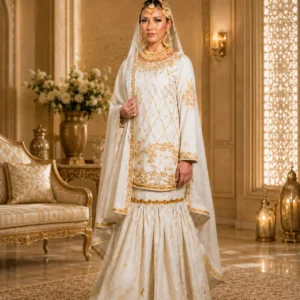
Ready to Find Your Dream Outfit?
Book a free consultation at our Manchester boutique or browse our latest collections online.
You Might Also Like
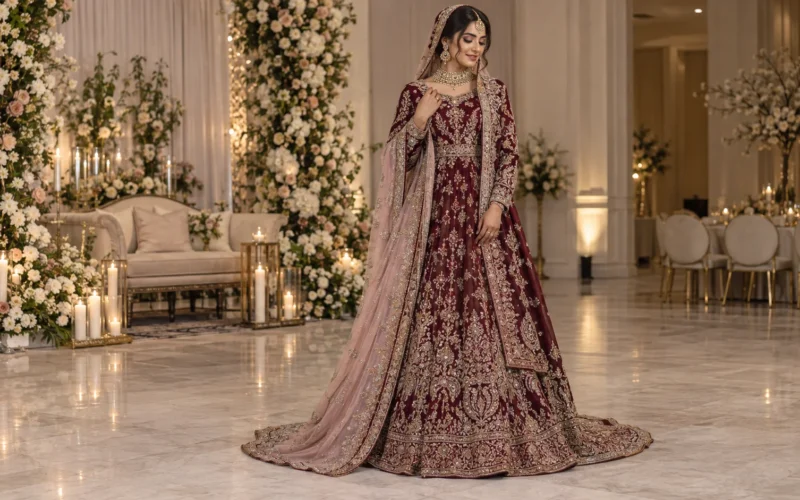
Pakistani Wedding Dresses UK: Using Pastel as an Accent Instead of the Main Colour
Learn how pastel bridal accents choices affect lining, white and comfort, with practical UK wedding advice and fitting checks for a more...
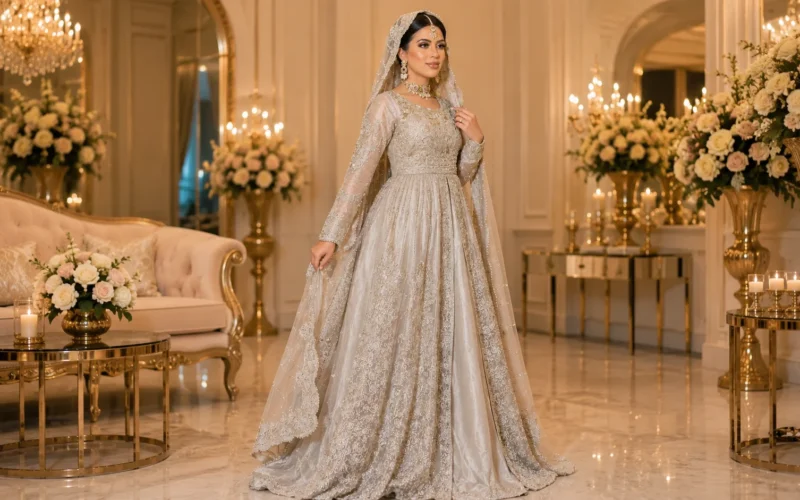
Pastel Bridal Lehengas: The 2026 Trend Taking Over
Pastel bridal lehengas are the biggest trend of 2026. Blush, mint, lavender, and champagne options. Bespoke colour matching at Jabeenz Manchester.
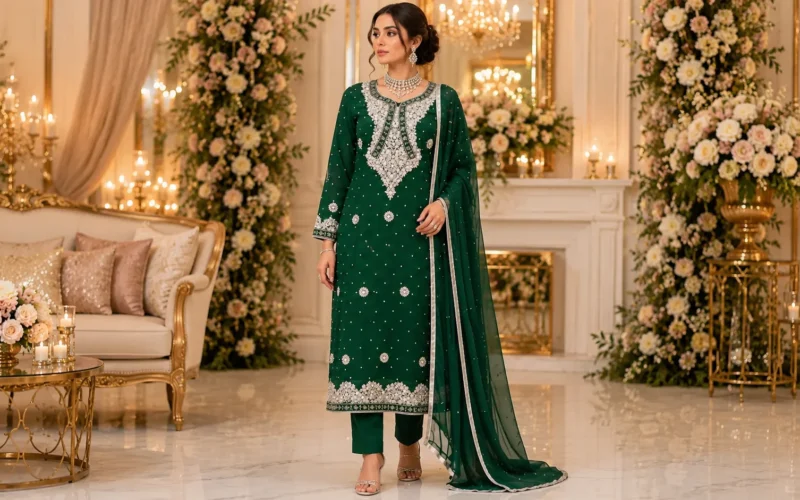
Trouser Suits for Weddings: Pakistani Style Guide
Learn how to choose Pakistani trouser suits for weddings, from nikkah and mehndi outfits to fabrics, styling tips, dupattas and bespoke fits...
